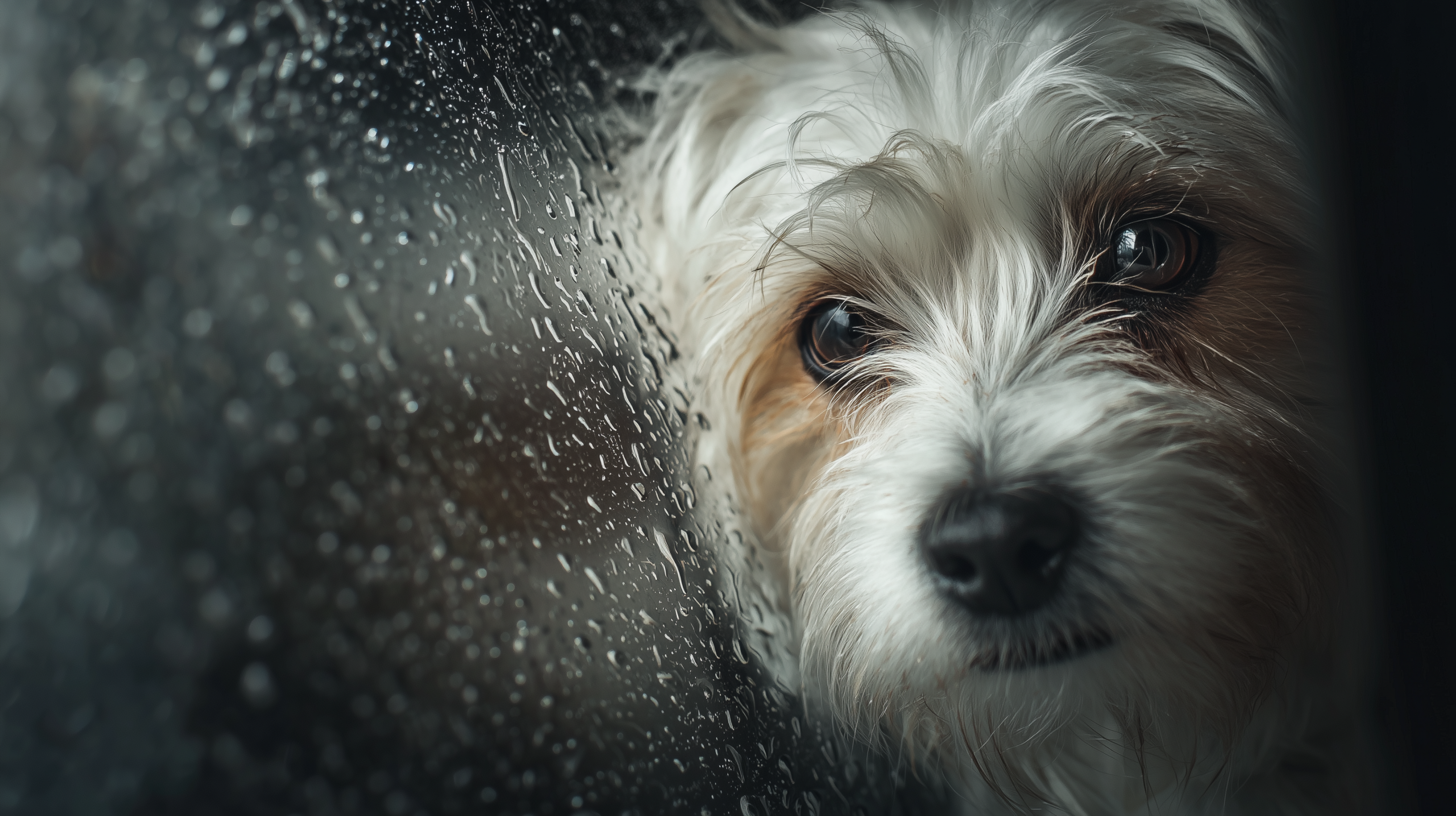
Rainy days are part of life in California, especially in the North Coast, Sierra foothills and Bay Area. For many dogs, a day without their usual walk or trail time can feel like a personal crisis. Pacing, whining, “boredom barking,” or giving you that unmistakable “I’m losing my mind” look—it all shows up fast when the weather shuts things down.
The good news? You don’t need sunshine to keep your dog stimulated and happy. Most dogs don’t actually need a long hike to feel satisfied. What they need is engagement—choices, challenges, scent work, and short bursts of activity spaced throughout the day. Rainy weather just shifts where that engagement happens.
Here are some of the best ways to give your dog what they’re really craving: mental work, novelty, connection, and a sense of purpose.
Think nose, not legs
A dog’s brain is wired for scent first and movement second. Ten minutes of sniffing can tire them out as much as a short walk. On rainy days, you can turn your house into a scent playground.
Start with simple “find it” games. Scatter treats behind table legs, under towels, inside shoes, or behind doors your dog is allowed to nudge. Keep it fun and easy at first, then increase difficulty by using smaller treats, hiding them higher, or letting your dog search one room at a time.
If your dog loves food puzzles on normal days, rainy days are the time to increase the challenge. Stuff a Kong with wet food and freeze it. Roll kibble inside a towel and let them unroll it. A muffin tin with tennis balls hiding treats underneath becomes a fast DIY puzzle. Dogs that don’t love toys often come alive when scent becomes part of the game.
Teach tiny skills that pay off big
Most humans think of training as a chore; most dogs think of it as quality time. Rainy days are perfect for teaching micro-skills—little behaviors that make life easier or strengthen your connection.
“Place” is a great one. Pick a mat or a blanket and teach your dog to settle there for increasing lengths of time. It becomes an anchor behavior you can use at home, dog-friendly restaurants, or hotel rooms on road trips.
Trick training is also a surprising rainy-day hit. Roll over, spin, touch, shake, crawl—anything that engages your dog’s body and brain. Many owners discover that shy or anxious dogs gain confidence with simple trick work.
Short, upbeat, three-minute sessions work best. On a rainy day, three or four of these sprinkled across the afternoon can wear out even high-energy dogs.
Break up the day with micro-activities
Dogs don’t need one two-hour workout. They do great with a handful of short bursts.
If it’s lightly drizzling, take a five-minute “sniff walk” right outside your door. Let your dog choose the direction and move slowly. On days when the ground is wet and the air is rich with scents, this can be as stimulating as a normal walk.
Back inside, change the rhythm with a few minutes of tug, then a chew session, then a puzzle, then a nap. Rainy-day success is all about pacing. Variety keeps dogs content.
Create an indoor scavenger challenge
You can level up the scent work by turning your living room into a mini adventure park. Move furniture slightly. Add cushions as tunnels. Place boxes on their sides to create “rooms.” Hide toys or treats throughout your creation and let your dog navigate the space.
If your dog has a favorite stuffed toy, hide it in different rooms and let them track it down. Many dogs will surprise you with how much natural scent-tracking talent they have when given the chance.
Help them decompress, not just burn energy
Not all rainy-day solutions involve activity. Many dogs become restless indoors because they lack calming outlets, not because they need a marathon workout.
Chewing is one of a dog’s most natural ways to decompress. A safe chew—bully stick, yak chew, Himalayan cheese, or a long-lasting chew toy—lets them work their jaw, settle their mind and release tension. For anxious dogs, this is essential.
Puzzle chews, lick mats, or peanut butter smeared on a silicone mat can calm overexcited pups within minutes. When a dog licks, their heart rate drops. Rainy days are perfect for tapping into that natural self-soothing behavior.
Don’t underestimate what your dog wants most
Most dogs don’t care that you skipped the trail. They care that they lost their routine. They notice when you’re frustrated, restless or distracted. The biggest gift you can give them on rainy days is engagement—shared attention, a game, a tiny bit of structure and a few chances to use their nose.
When you give a dog mental work, a little physical movement and a couple of calming outlets, they end the day satisfied—even if the clouds never clear.
And you? You get a calmer, happier, less stir-crazy companion curled up next to you while the rain hits the windows.