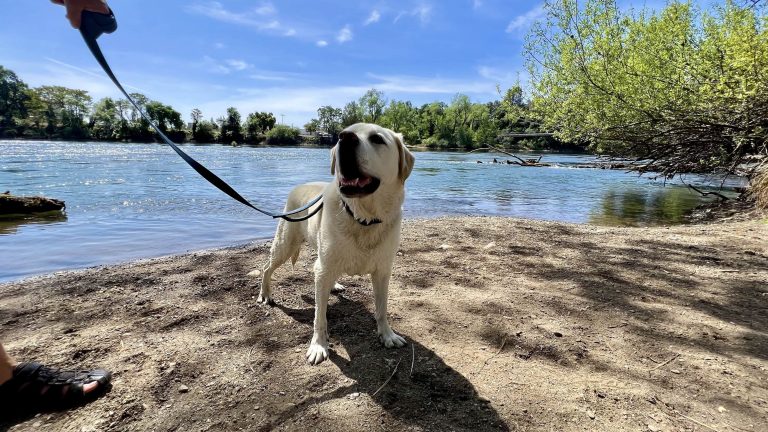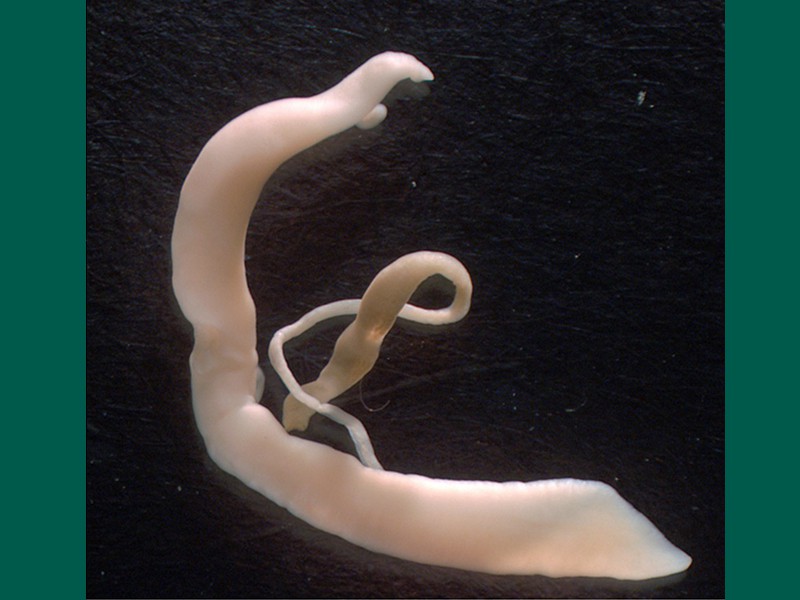
Researchers have uncovered a parasitic worm capable of infecting and causing fatal illness in dogs along the Colorado River, near the boundary between California and Arizona. This finding signifies the westernmost presence of the parasite, Heterobilharzia americana, in the United States. Traditionally found in the Gulf Coast and South Atlantic states, the parasite’s range has been expanding, posing a new threat to canine health in other regions.
The parasite leads to a severe condition known as canine schistosomiasis in dogs, which, if detected early, can be treated effectively with specific deworming medications. Although this worm doesn’t cause the same disease in humans, it can lead to skin irritation. The discovery came about after a local veterinarian raised concerns about a series of dog illnesses linked to the Colorado River. Subsequent investigations led by Adler Dillman, a parasitology professor at the University of California, Riverside, identified the parasite’s presence.
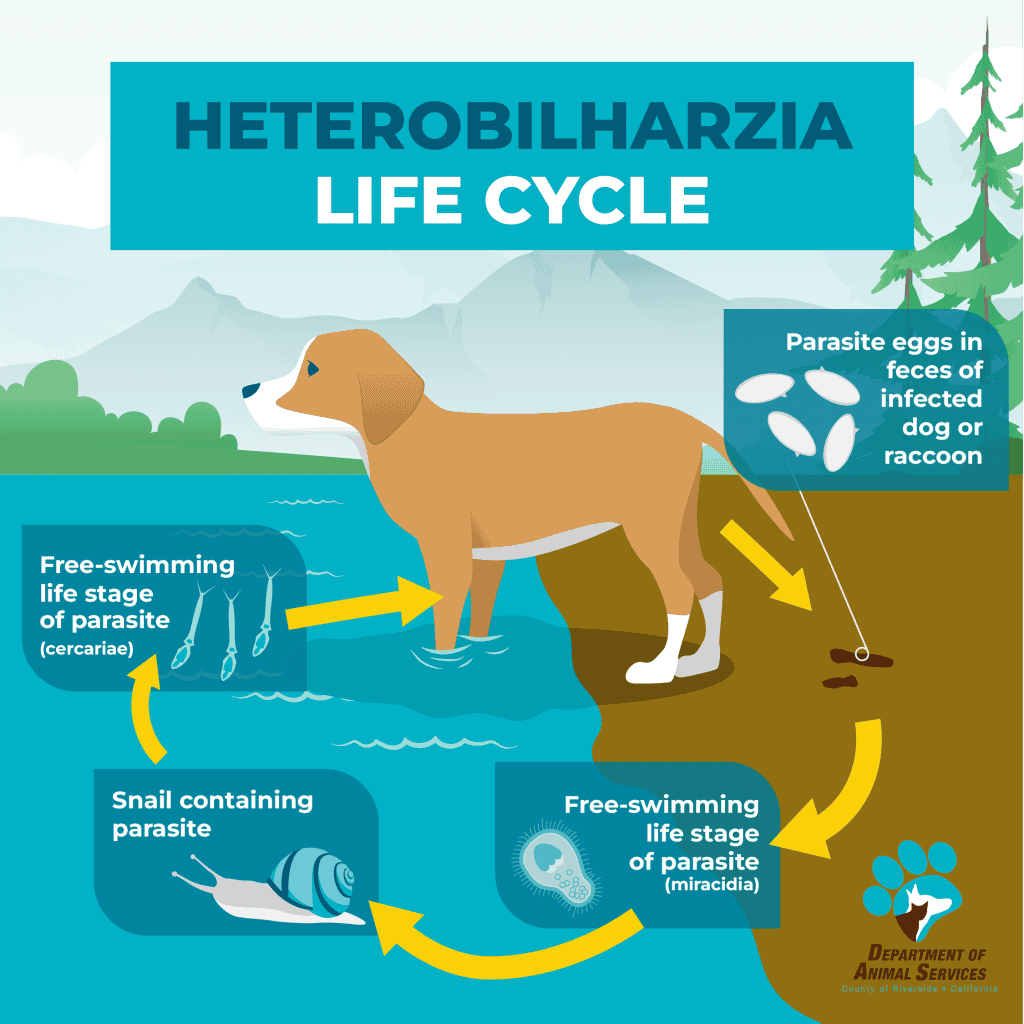
The research team embarked on field trips, gathering freshwater snails from the river’s banks, which serve as hosts for the parasitic worms. Through DNA analysis of around 2,000 collected snails, they found evidence of the parasite. This evidence suggests the possibility of the parasite’s wider presence in the area and potentially in other parts of the Colorado River system. The findings are a call to action for further research and for dog owners in California to be vigilant for symptoms of the disease, although the researchers aim to inform rather than deter river visits.