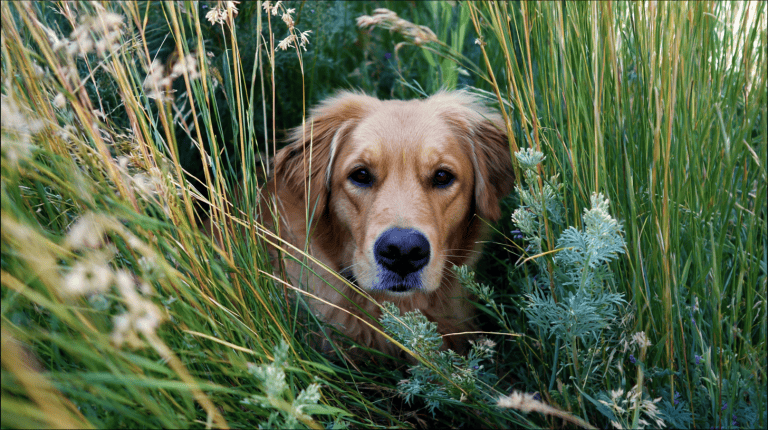
I’ll be honest: I was skeptical about doggie acupuncture. But when my old Rottie, Maggie, started moving like a freight train stuck in molasses—even a few steps made her groan—I decided to try anything short of extreme canine couture. After a course of sessions, she bounded out of the clinic like pup on a mission—grinning, tail high, joints suddenly spry. What changed? The needles—or science? Turns out, both.
What actually happens
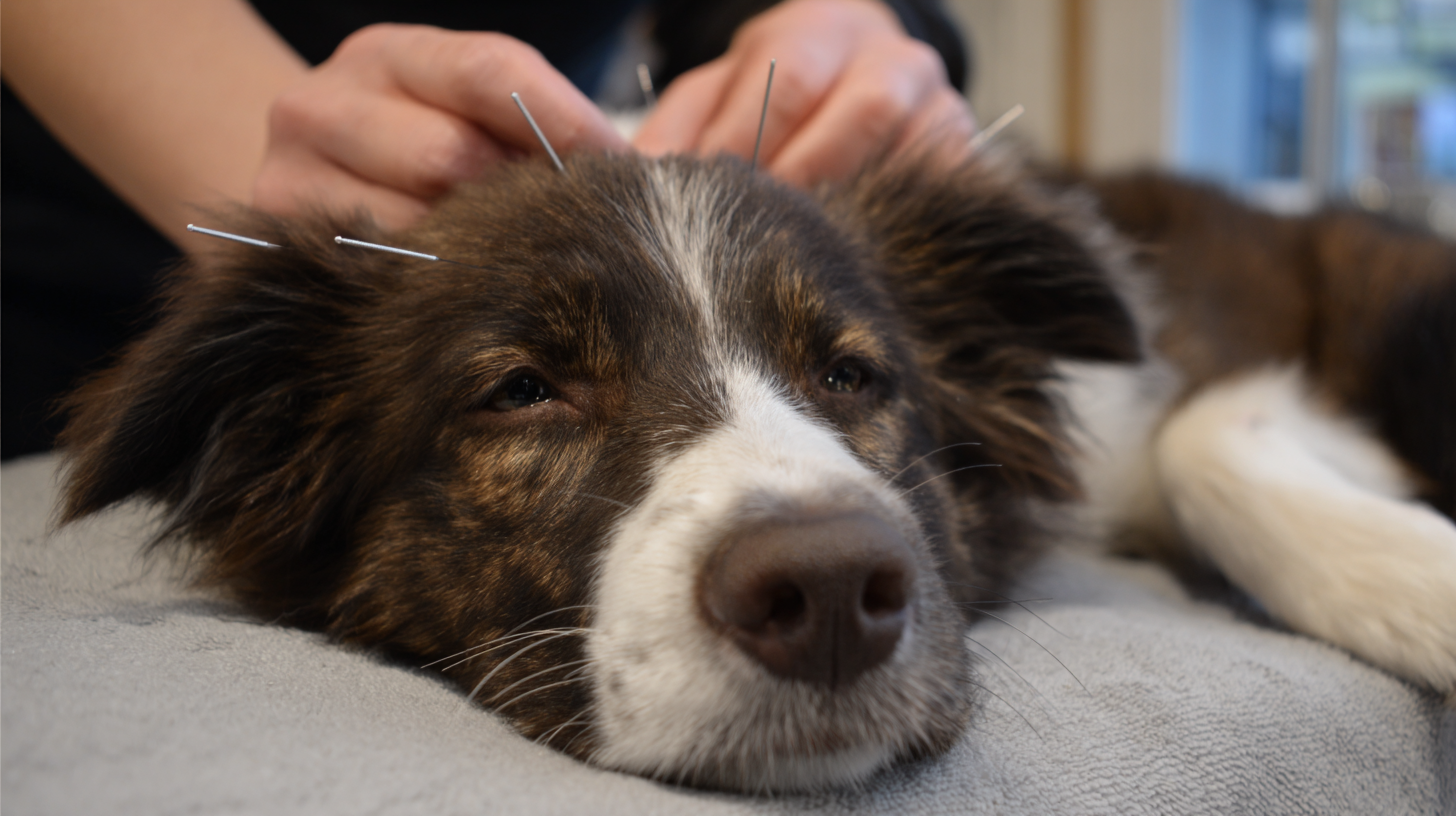
Veterinary acupuncture borrows from Traditional Chinese Veterinary Medicine (TCVM). Thin needles are inserted into specific points—or meridians—to stimulate nerves and blood vessels, boost circulation, and release the dog’s own endorphins and anti-inflammatory agents . Essentially, the practice tricks the nervous system into activating its internal pain relief switch.
Evidence you can feel
A pivotal 2017 study involving 181 dogs with neurological or musculoskeletal issues found acupuncture slashed pain levels in 83% of them and improved mobility in 65%, particularly for hip dysplasia . Another 2020 randomized, placebo-controlled trial focusing on osteoarthritic dogs didn’t show big differences in objective gait measures—but owners reported much less pain and better function when their dogs received real acupuncture versus sham treatment . In plain English: dogs felt better, even if the tech didn’t always record it.
Growing clinical reviews also highlight the benefits of electroacupuncture (EA) and laserpuncture for chronic conditions like arthritis and intervertebral disc disease . These tools are most effective as part of a broader care plan—think weight control, supplements, physical therapy, and occasional pharmaceuticals .
Why it helped Maggie
As a senior Rottie, Maggie was slogging through swollen hips and creaky joints. After weekly treatments, the difference was night and day: she slipped downstairs without help, slept through the night, and requested zoomies in the living room. Her quality-of-life scores shot up—just like many dogs in clinical studies.
The nuances: not cure-all
Acupuncture isn’t a miracle cure. Meta-reviews in humans suggest modest benefits over placebo in arthritis pain—and the same cautious conclusions appear in veterinary settings . Moreover, a recent 2024 summary noted that acupuncture as a sole therapy is unlikely to deliver functional improvement—though it can reduce owner-perceived pain (). In short: it’s a valuable tool—but not a standalone fix.
Why it’s still worth it
Even if some of the improvement is placebo—for you, not the dog—there’s little downside. No tough-to-swallow pills, no liver and kidney strain. And when needles are replaced by laser or acupressure, even needle-phobic pups can benefit ().
Veterinary bodies like the American Animal Hospital Association now include acupuncture as part of recommended multimodal pain management . That signals growing acceptance that this ancient practice has a place in modern pet care.
How to get it right
- Pick a certified veterinary acupuncturist (IVAS, AAVA credentials) .
- Expect a series of visits—typically weekly for 4–6 weeks, then tapering ().
- Combine with other protocols: weight loss, NSAIDs (if tolerated), joint supplements, physical rehab. Acupuncture excels as part of a team—not a solo act ().
- Handle health flags: Ask vet first if your dog has bleeding issues, cancer, or infections—occasional needle insertion may warrant caution.
Should you try it?
If your dog is stiff, sore, and stalled out on meds—yes. If they’ve tried acupuncture and felt nothing? Maybe add laser or acupressure. If they’re bouncing through life, skipping it is fine.
Final thought
Acupuncture gave Maggie back her joie de vivre—not because of hype, but because beneath those needles lies science, history, and a surprising amount of healing power. It works for many dogs; for some, it’s transformative. If your vet gives the nod, it’s absolutely worth trying—because seeing your old friend bounce again is medicine in its purest form.