
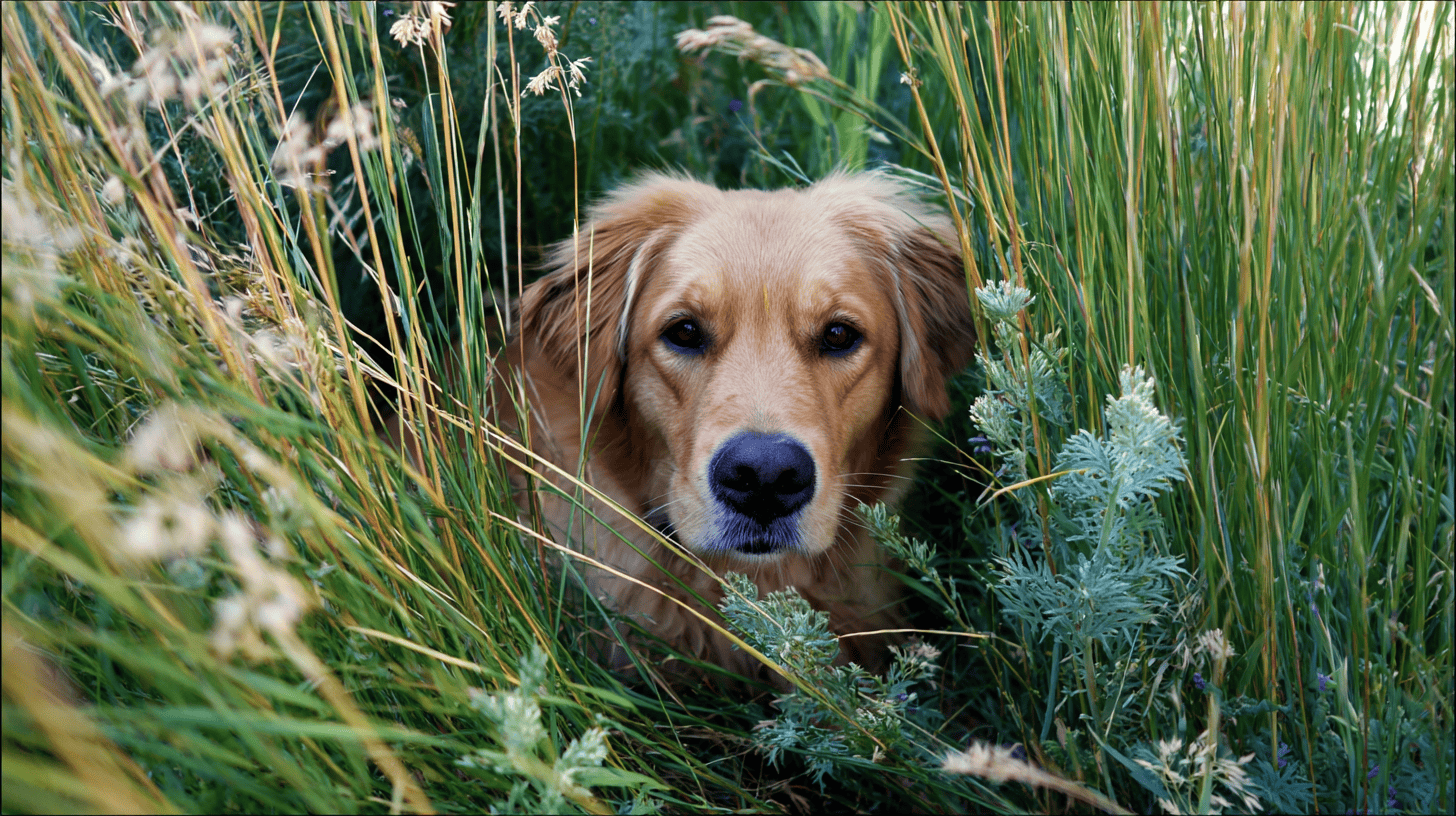
Ticks might be tiny, but they pack a dangerous bite. When dogs wander through tall grasses, brush, or wooded areas, ticks latch on, ready to feed. But these parasites carry more than a creepy factor—they can spread serious illnesses like Rocky Mountain spotted fever and Lyme disease.
Rocky Mountain spotted fever is deceptive by name. It doesn’t just lurk in the Rockies. Dogs nationwide can contract this potentially deadly disease through the bites of American dog ticks, Rocky Mountain wood ticks, or brown dog ticks. The culprit behind RMSF is a bacteria called Rickettsia rickettsii, and its effects on dogs can appear suddenly and severely.
Symptoms show up quickly, usually within days of a tick bite. Your dog might develop a high fever, act lethargic, or refuse food. Some dogs also display tiny red spots or bruises on their gums, belly, or ears—classic signs that blood vessels have become inflamed. Without immediate antibiotic treatment, usually doxycycline, RMSF can rapidly damage kidneys, cause neurological problems, or even turn fatal.
Lyme disease, another tick-borne illness, behaves differently. It comes from the bacterium Borrelia burgdorferi and spreads primarily through deer ticks, also known as black-legged ticks. While dogs everywhere face some risk, Lyme hotspots exist in heavily wooded or grassy regions, especially in the Northeast, upper Midwest, and along the West Coast.
Unlike RMSF, Lyme disease doesn’t always announce itself quickly. Dogs may appear fine for weeks or even months before symptoms emerge. Early signs are often subtle—a dog might limp intermittently, have swollen joints, or show signs of stiffness after rest. Fever, lethargy, and loss of appetite are also common. Left untreated, Lyme can lead to serious complications, including kidney failure and neurological disorders. Like RMSF, Lyme disease responds best to early antibiotic treatment, typically doxycycline.
Prevention remains the best strategy against tick-borne diseases. Veterinarians recommend consistent use of tick preventatives—whether oral chews, topical treatments, or collars—for all dogs in tick-prone regions. Year-round protection is especially important if your dog spends a lot of time outdoors.
Regular tick checks also go a long way in keeping dogs healthy. After hikes or walks, thoroughly examine your dog’s fur, especially around ears, neck, armpits, between toes, and under collars. If you find a tick, remove it immediately using tweezers or a tick-removal tool. Grasp the tick as close to your dog’s skin as possible, then gently pull upward without twisting or crushing. Proper removal can help prevent bacteria from entering your dog’s bloodstream.
In areas with high rates of Lyme disease, vaccination can provide extra protection for your dog. Currently, no vaccine is available for Rocky Mountain spotted fever, making prevention and prompt treatment critical.
Ticks might be tiny, but the illnesses they carry are serious. Being aware, proactive, and vigilant can ensure that your dog’s outdoor adventures stay safe and enjoyable.