Vet Buzz from Bill Barboni, DVM and Chris Pitts, RVT, Marin Pet Hospital, San Rafael, CA
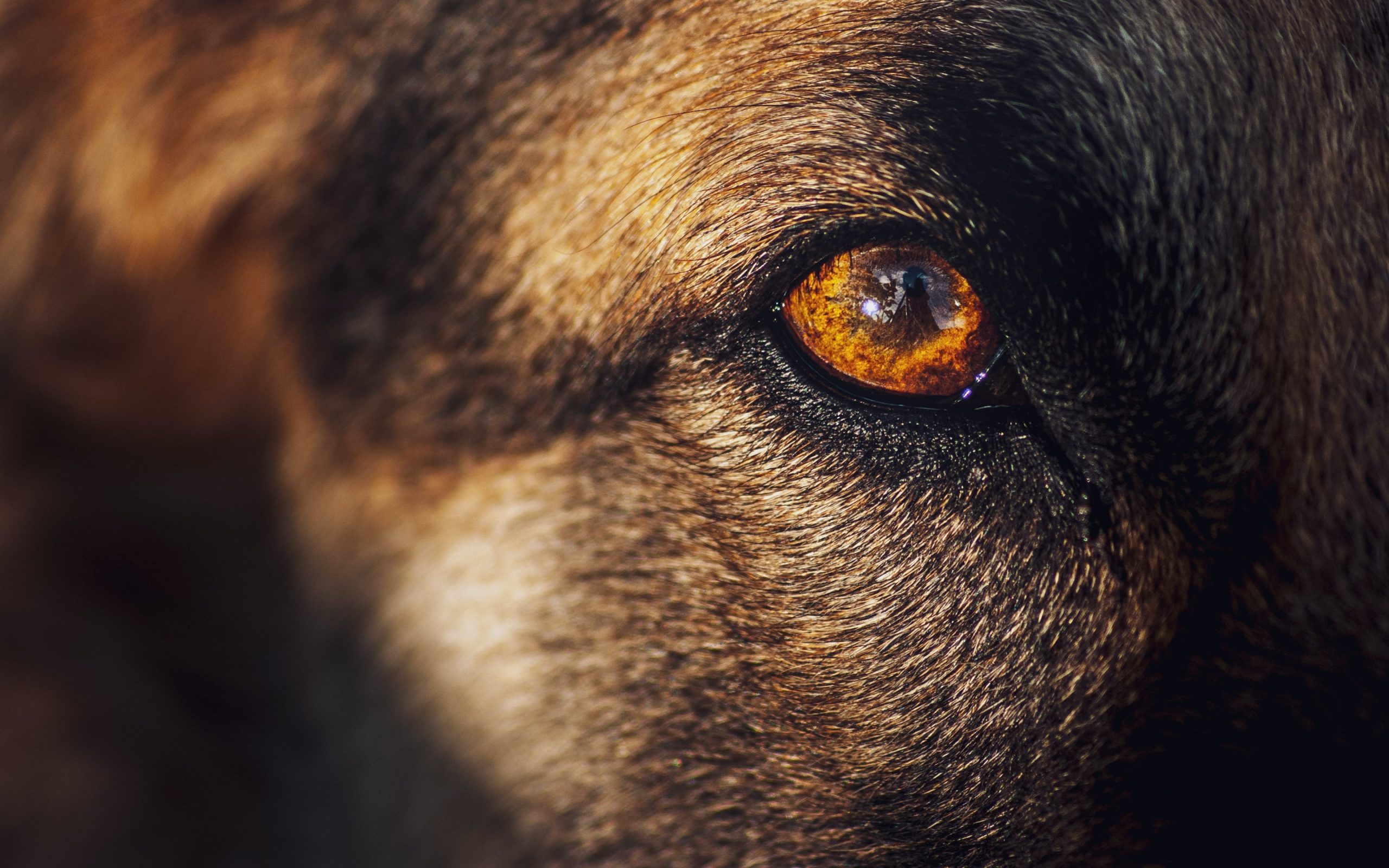
You took your dog out for a fabulous hike and now he is squinting at you with one eye. Nope, he has not learned the cool trick of winking at you. He probably has something in his eye.
The most common presentation of an eye injury is a dog that squints one eye. He may or may not have discharge from the eye. In either case, a squinty eye is a really good reason to go to the veterinarian’s office soon. Many times we find that when Fido was out frolicking in the hills he ran past a plant too fast and some of the plant material embeds in the eye, or the cornea can be scratched. A dog’s eye has not only an eyeball, and sclera (the white part) and eyelid that can be damaged, but he also has a third eyelid that loves to hide foxtails, thorns and small pieces of grass which then rub or penetrate the cornea. A scratch or puncture of the cornea is painful. A full puncture of the cornea can lead to loss of the eyeball if not treated immediately.
Eye injuries of any kind should not be left to see if they get better on their own; an abrasion on the cornea can lead to infection or a thickness in the cornea which greatly reduces your dog’s vision if left untreated. In addition, typically it is quite easy for your veterinarian to remove a foreign body from your dog’s eye without general anesthesia; in most cases a topical anesthetic can be used instead. The benefit of an early treatment with a relatively inexpensive antibiotic far outweighs the potentially costly need for corneal surgery and several follow-up office visits.
So, check your dog over after every hike for ticks and foxtails, and don’t forget to check the face. If you see your pal winking back at you, give your veterinarian a call.