

Vet buzz Blog
Welcome to the award winning Vet Buzz, DogTrekker.com’s pet health blog with the latest in veterinary medicine, valuable tips and seasonal guidelines to keep your dog safe and healthy at home and on the road. Whether it is caring for an elderly dog, holistic approaches to health care, toxic algae blooms or tick and rattlesnake warnings, our Vet Buzz contributors have you covered.

Urban hikes to SF attractions
San Francisco's hills reward hikers with fountain-filled parks, panoramic views, and hidden tree swings. Walk your dog to Huntington Park atop Nob Hill, explore off-leash areas in Golden Gate Park, or catch the flea market on Treasure Island.
Read more
Dog shedding: What’s normal and when to worry
All dogs shed, but the amount varies widely by breed. An SF SPCA veterinarian explains normal shedding cycles, what to watch for with undercoats and longer-haired breeds, and why a balanced diet is key to maintaining a healthy, glossy coat.
Read more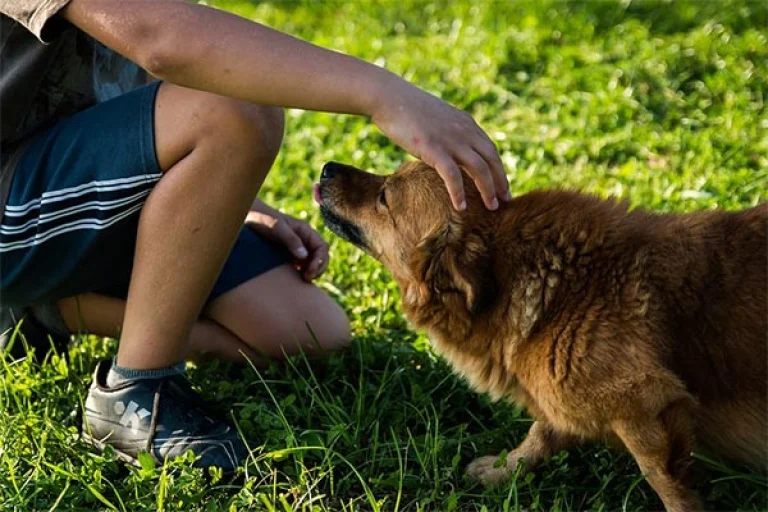
What to do when you find a lost dog
Found a lost dog with no collar or working phone number on the tag? A vet tech explains your best options, from filing found reports at local shelters and scanning for microchips to posting on neighborhood social media groups.
Read more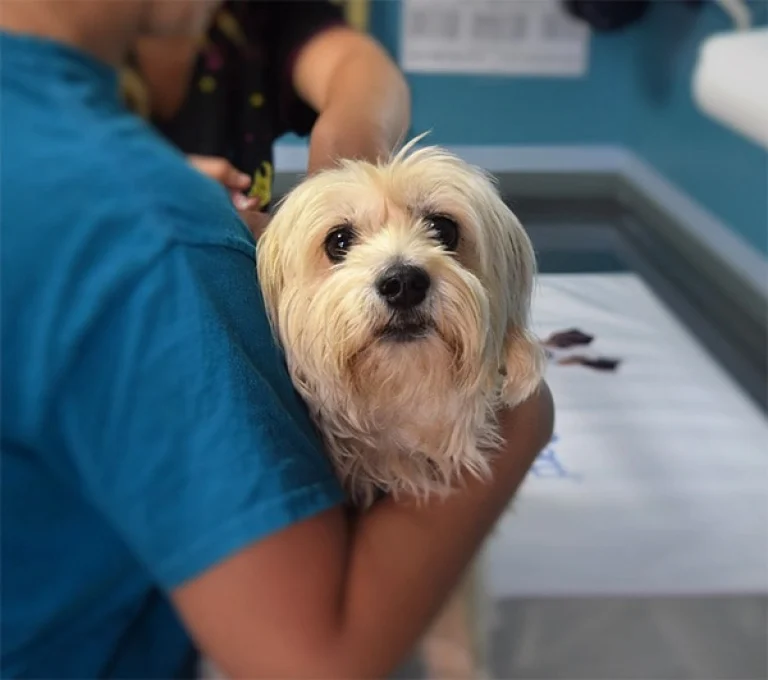
The importance of initial core vaccines in dogs
Core vaccines protect puppies against deadly diseases like parvo and distemper that can cost thousands to treat. Even indoor dogs face exposure risks from visitors, stray animals, and contaminated environments. Low-cost vaccination options are available if budget is a concern.
Read more
Embrace pet insurance
Pet insurance can save you from devastating vet bills when an unexpected accident or illness strikes. Learn how coverage works, what terms like deductible and reimbursement mean, and why enrolling early matters since no insurer covers pre-existing conditions.
Read more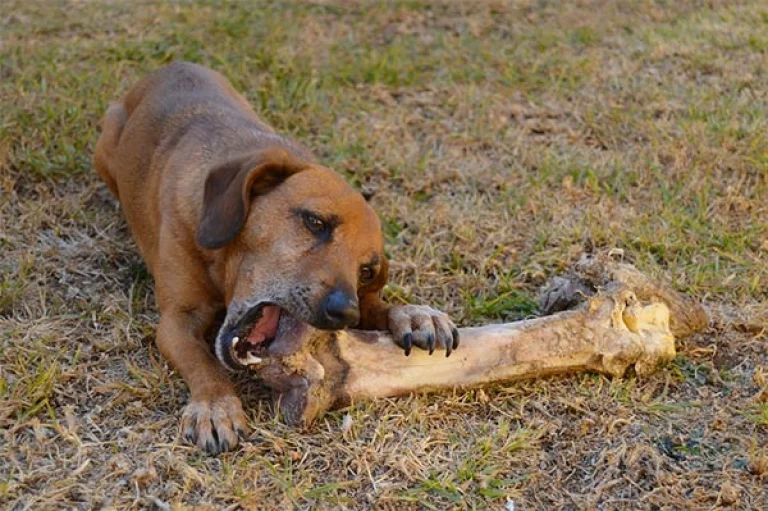
What bones are safe to give your dog
A veterinary professional explains which bones are safest for dogs and why rib and marrow bones pose the greatest risks. Beef knuckle bones are the best choice, but supervision is essential to avoid broken teeth and choking hazards.
Read more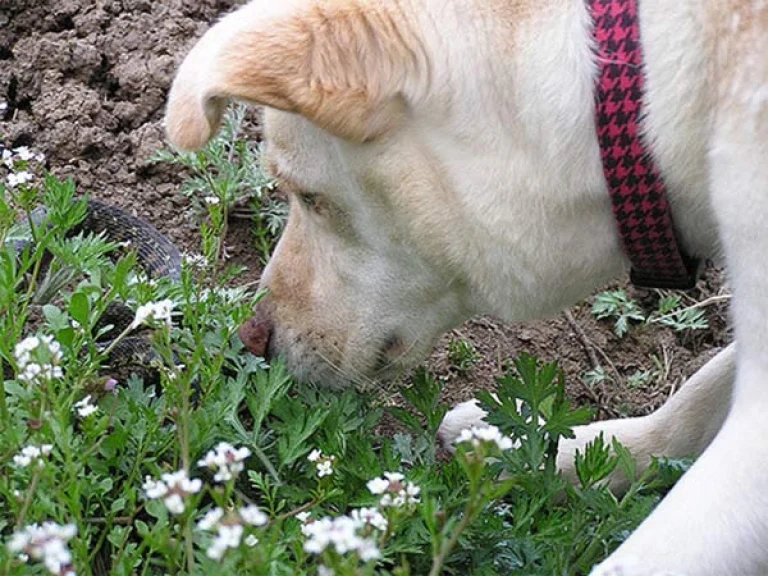
Rattlesnake bites in dogs: Emergency treatment and prevention
A veterinarian explains how to identify, treat and prevent rattlesnake bites in dogs. With eight subspecies of rattlesnakes in California, knowing the signs of envenomation and getting immediate veterinary care can save your pet's life.
Read more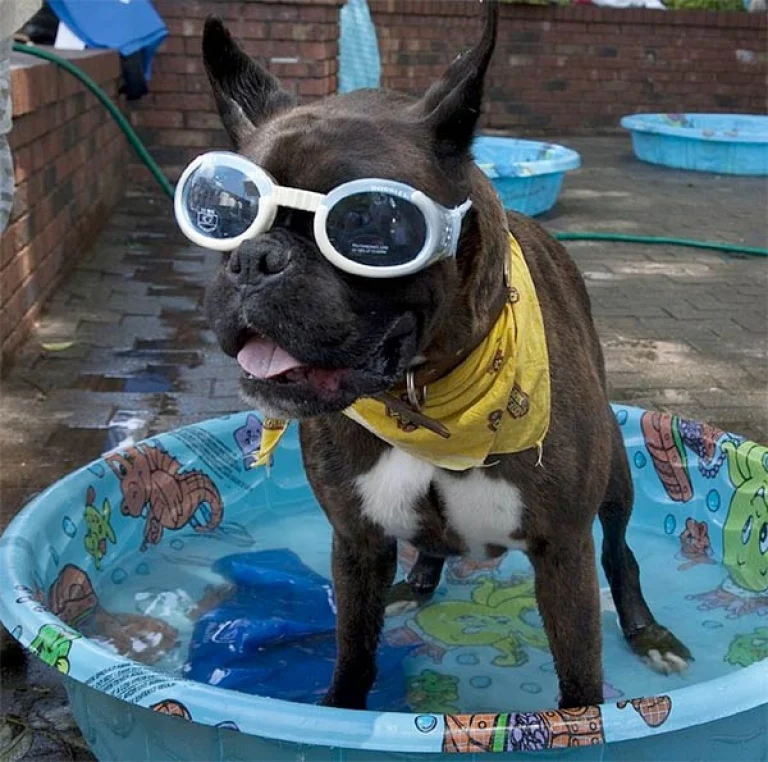
Sun safety for your dog
A veterinarian explains how to protect your dog from sun and heat during summer outings. Light-coated dogs can sunburn easily, hot pavement scorches paw pads, and heat stroke can become life-threatening fast. Know the warning signs and act quickly.
Read more
East Bay Regional Park District
The East Bay Regional Park District manages 65 parks spanning 114,000 acres with 1,200 miles of dog-friendly trails. Well-trained dogs can hike off-leash in many areas, from popular Point Isabel shoreline to the remote Ohlone Wilderness.
Read more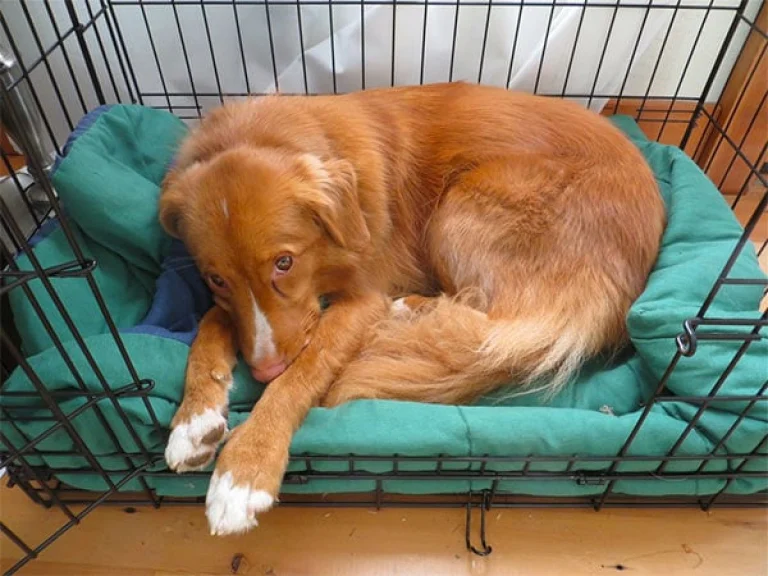
The benefits of crate training
A crate can become your dog's favorite den, reducing stress and housetraining accidents while making travel easier. A veterinary technician shares practical advice on choosing the right crate, building positive associations and avoiding common mistakes.
Read more
Socializing your dog
Socializing your dog is essential whether you have a puppy or an adult. Introduce puppies to new experiences gradually with positive reinforcement during their first six months. For adult dogs, work with trainers to reshape negative associations.
Read more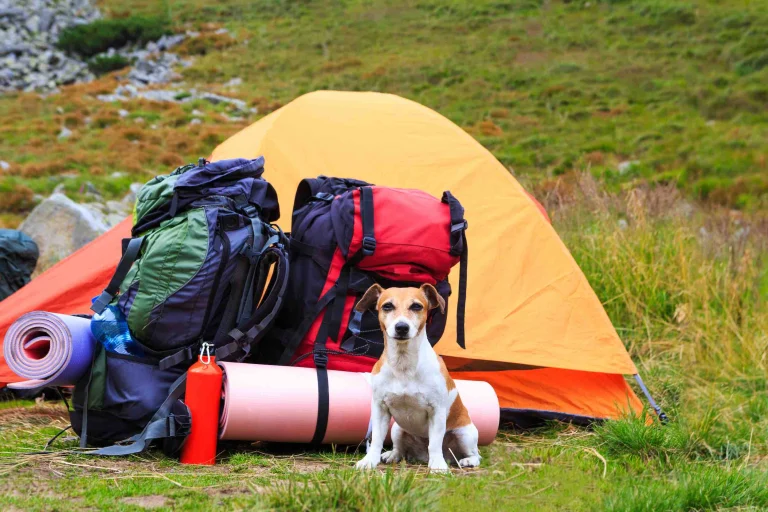
First-time dog camper? Make a list, check it twice
Heading out camping with your dog for the first time? Plan ahead with cable tie-outs, a crate for sleeping, and a first-aid kit. Pack food and water from home, store everything bear-proof, and review leash laws.
Read more
Why does my dog eat grass?
Nearly 80 percent of dogs eat grass, and most don't vomit afterward, so the upset-stomach myth doesn't hold up. An SF SPCA veterinarian explains that grass-eating can signal stress, sensory curiosity, or GI issues, but is usually perfectly normal.
Read more
Raw food diet: Good or bad?
Raw food diets for dogs come with real risks, from bacterial contamination with Salmonella and Listeria to nutritional deficiencies in calcium and phosphorus. Before switching your dog's diet, talk to your vet and look for AAFCO-approved products.
Read more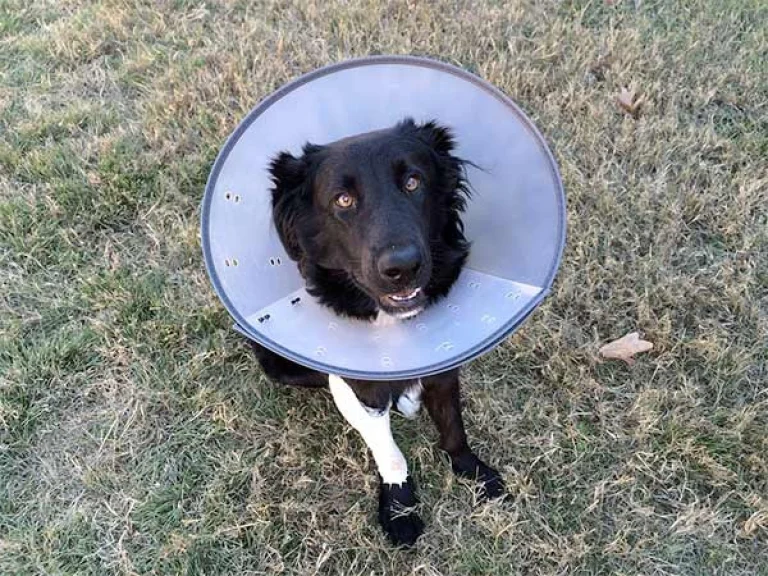
Is pet insurance worth it? A veterinarian’s guide
A veterinarian breaks down whether pet insurance is worth it, explaining premiums, deductibles and what plans typically cover. The biggest payoff comes during unexpected emergencies like surgeries or extended hospitalization for your dog.
Read more
Cannabis for pets
More pet owners are turning to medical cannabis for their dogs, and CBD products show promise for pain, anxiety, seizures, and digestive issues. A holistic veterinarian explains how the endocannabinoid system works in pets and what to look for.
Read more
Bringing home a new dog
Bringing a new dog home involves more than food and vet visits. A veterinarian explains how to socialize puppies and adult dogs, with tips on making introductions positive and managing each pet's unique temperament and triggers.
Read more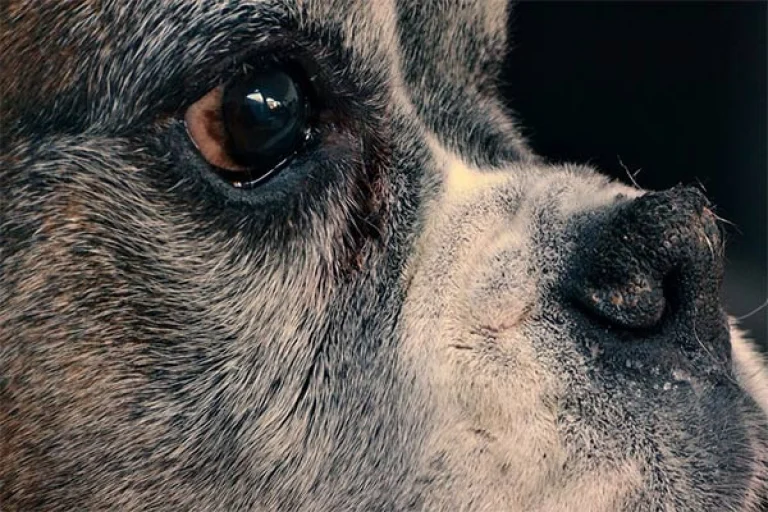
Cushing’s disease in dogs: Symptoms, diagnosis and treatment
Cushing's disease in dogs causes increased thirst, appetite, lethargy, and skin changes that can look like normal aging. A veterinary exam with specialized testing can confirm the diagnosis, and medications can manage cortisol levels and improve quality of life.
Read more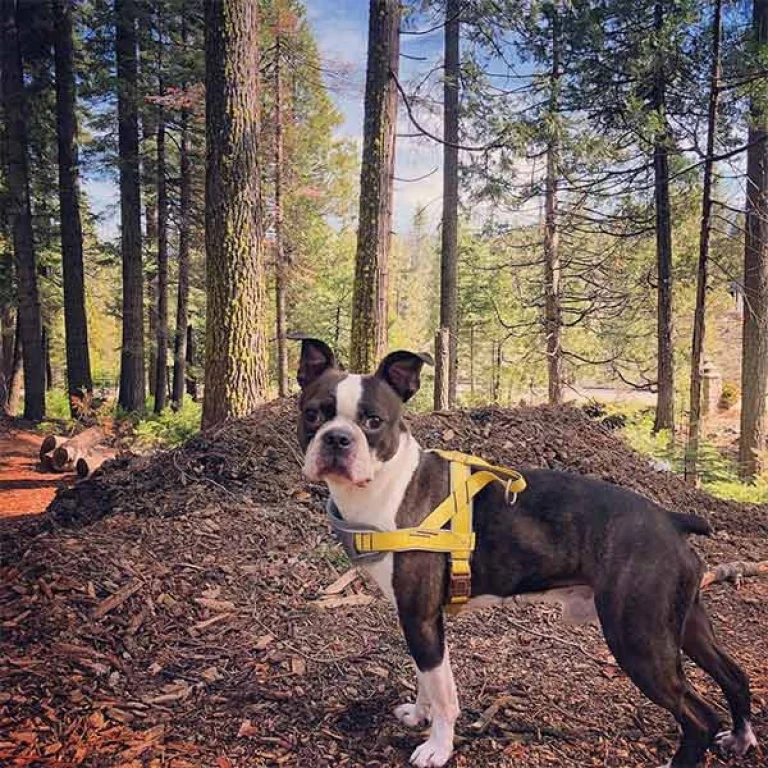
Journey to Wawona (Madera County, south entrance)
The Highway 41 corridor from Oakhurst to Yosemite's south entrance is full of dog-friendly stops. Bass Lake resorts, the quirky town of Coarsegold, a steam train in Fish Camp and the luxury Tenaya Lodge all welcome four-legged travelers.
Read more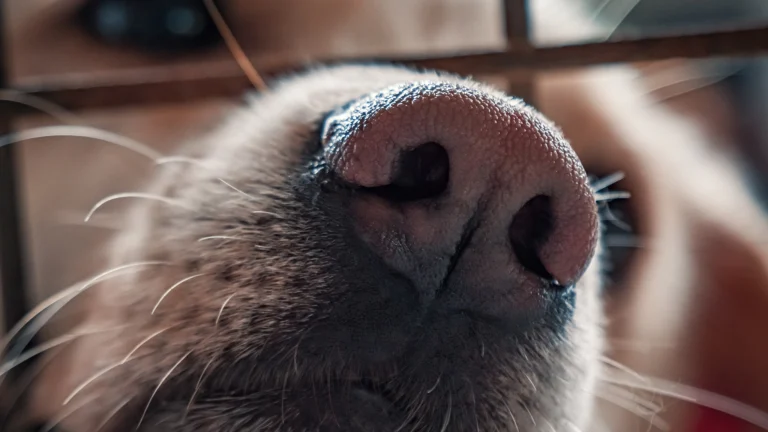
Nasal discharge and coughing
Nasal discharge and coughing in dogs can signal anything from kennel cough to foreign bodies, tooth infections, or tumors. Understanding the type and duration of symptoms helps your veterinarian pinpoint the cause and develop the right treatment plan.
Read more
Five tips for helping your dog deal with grief
Dogs grieve the loss of a canine companion just like people do, showing signs like appetite changes, restlessness and lethargy. A veterinarian shares five practical tips for recognizing grief in your surviving dog and helping them through the process.
Read more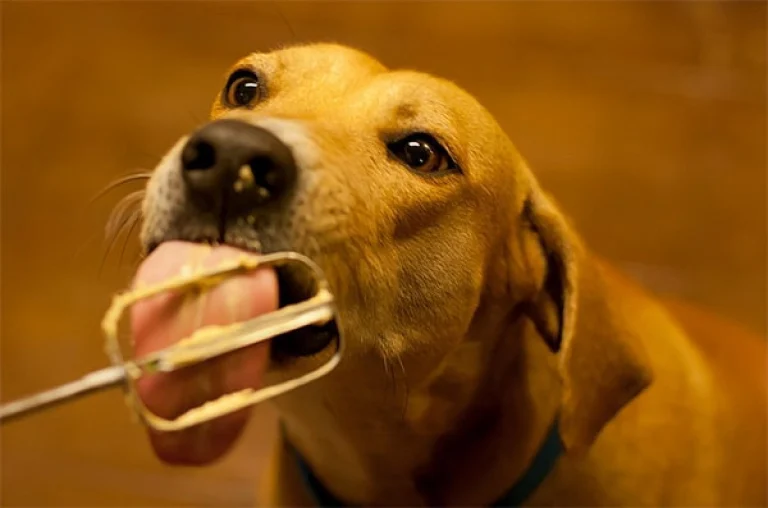
Unexpected toxic substances in the kitchen
Chocolate, grapes, onions, garlic, macadamia nuts and xylitol are among the most common and dangerous kitchen toxins for dogs. A veterinarian explains what makes each one harmful and what to do if your pet ingests any of them.
Read more
Typical tail injuries and the ways to treat them
From degloving injuries and fractures to swimmer's tail and happy tail syndrome, here is what every dog owner should know about common tail injuries, how to spot them, and when to head straight to the vet.
Read more
Safe and unsafe human medications for dogs
Not all human medications are safe for dogs. Common painkillers like NSAIDs can cause liver and kidney failure in pets, while some drugs like Famotidine work the same way. Always check with your vet before giving your dog any medication.
Read more