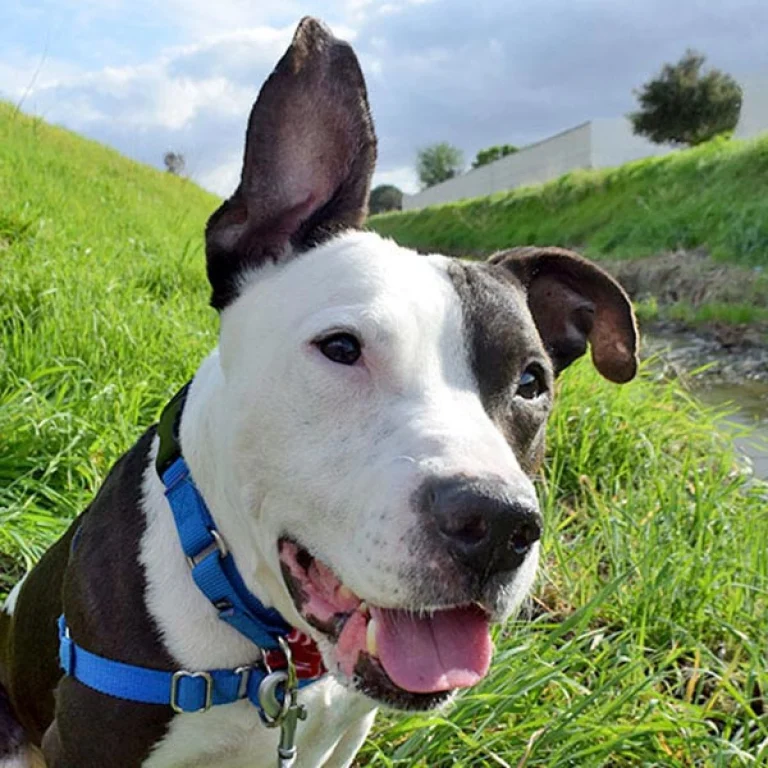
Dogs explore the world with their noses and mouths. That curiosity can get them into trouble in the garden.
Many popular landscape plants in California contain toxins that can seriously harm dogs if chewed or swallowed. Some cause mild stomach upset. Others can trigger heart problems, liver failure or neurological symptoms. The risk rises in spring and summer, when new growth, flowers and seeds appear and pets spend more time outdoors.
If you garden with dogs in mind, it helps to know which plants pose the biggest dangers. Veterinarians and animal poison control experts consistently warn about a handful of common ornamentals that can cause severe poisoning.
Here are five of the most dangerous plants to keep out of a California dog-friendly garden.
Sago palm
Sago palms look tropical and sculptural, which makes them popular in California yards and containers. Unfortunately, they are also one of the most toxic plants a dog can encounter.
Every part of the plant is poisonous, but the seeds contain the highest concentration of toxins. Dogs are often attracted to them because they resemble nuts.
Even a small amount can cause severe vomiting, diarrhea and liver failure. Symptoms may appear within hours, but liver damage can continue developing for days. Without rapid veterinary treatment, poisoning can be fatal.
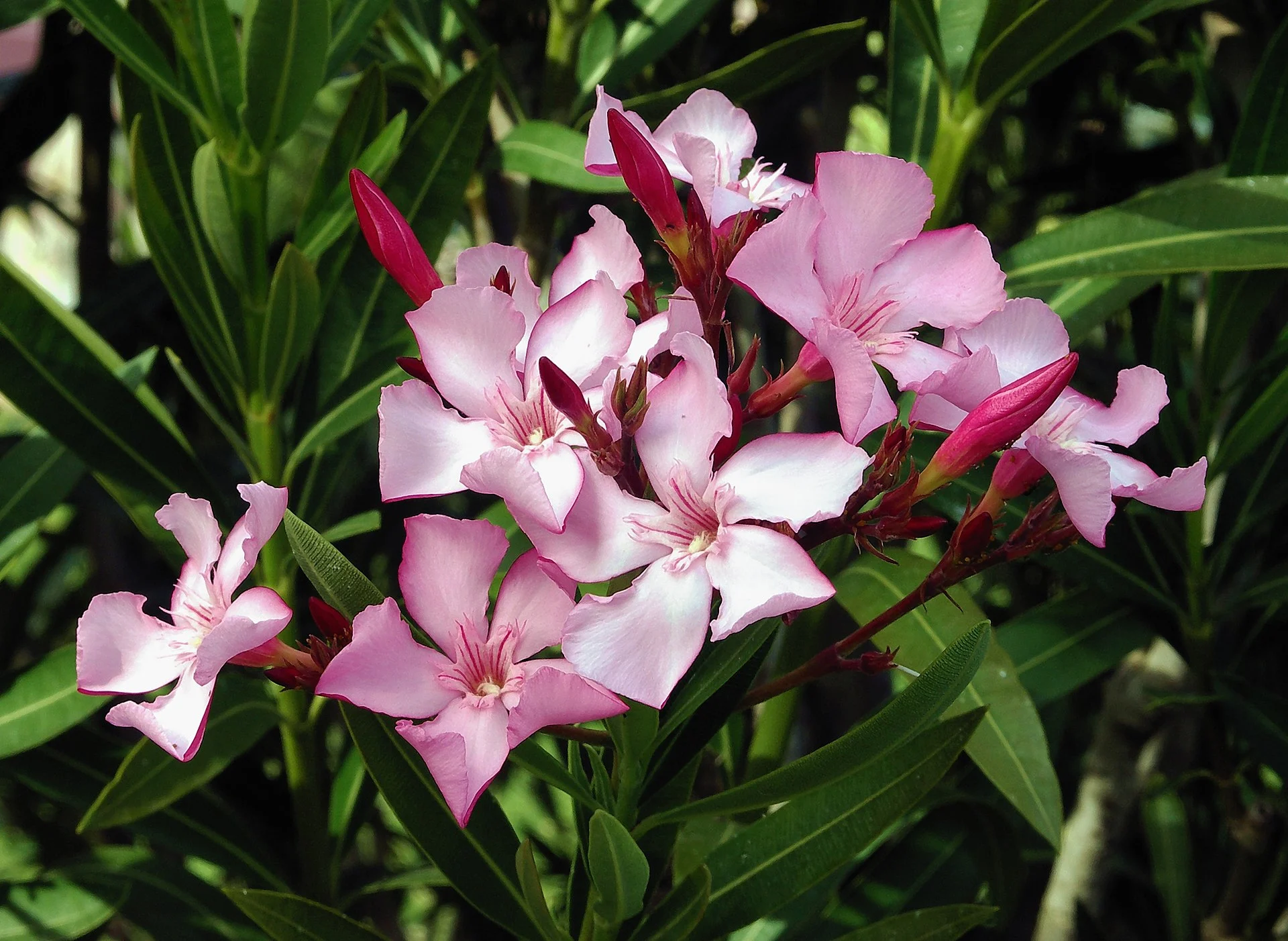
Oleander
Oleander thrives in California’s warm climate and drought conditions, which is why it appears in landscapes, highway plantings and backyard hedges across the state.
The plant contains compounds called cardiac glycosides that interfere with heart function. Every part of the plant — leaves, flowers, stems and even water from a vase holding cut oleander — can be toxic.
Dogs that ingest oleander may develop drooling, vomiting, tremors and dangerous heart rhythm disturbances. Even small exposures can lead to life-threatening complications.
Foxglove
Foxglove produces tall spikes of bell-shaped flowers and adds dramatic color to cottage-style gardens. It also contains potent chemicals similar to the prescription heart drug digitalis.
If a dog chews the leaves or flowers, those compounds can disrupt normal heart rhythms. Early signs of poisoning include vomiting, drooling and weakness. More severe cases can involve irregular heartbeats, seizures or collapse.
Because foxglove plants reseed easily, they may appear unexpectedly in garden beds where dogs roam.
Azalea and rhododendron
These flowering shrubs brighten many California landscapes with spring color. They also contain toxins called grayanotoxins that affect the nervous system and muscles.
Dogs that ingest azalea or rhododendron leaves or flowers often show symptoms within a few hours. Common signs include drooling, vomiting and diarrhea. As poisoning progresses, pets may develop weakness, low blood pressure or abnormal heart rhythms.
Severe cases can become life-threatening without prompt veterinary care.
Lily of the valley
Lily of the valley is a delicate-looking shade plant with fragrant white bell-shaped flowers. Despite its gentle appearance, it contains powerful cardiac glycosides similar to those found in foxglove and oleander.
If a dog eats the leaves, flowers or berries, it can develop vomiting, diarrhea and slowed or irregular heart rhythms. In serious cases, the toxins can trigger seizures or heart complications.
Planting it in areas where dogs dig or play increases the risk of accidental exposure.
Garden smart with dogs
The good news is that a dog-friendly garden is easy to create once you know what to avoid. Many beautiful plants are considered low-risk for pets, including roses, snapdragons, sunflowers, camellias and many California native species.
If you are unsure about a plant, check reliable references such as the ASPCA’s toxic plant database or consult your veterinarian.
And if you suspect your dog has eaten part of a toxic plant, don’t wait for symptoms to worsen. Contact your veterinarian or an animal poison helpline right away. Quick treatment can make the difference between a frightening incident and a full recovery.
A safe garden means you can relax and let your dog enjoy the yard the way it was meant to be used — as a place to sniff, explore and stretch out in the sun.