
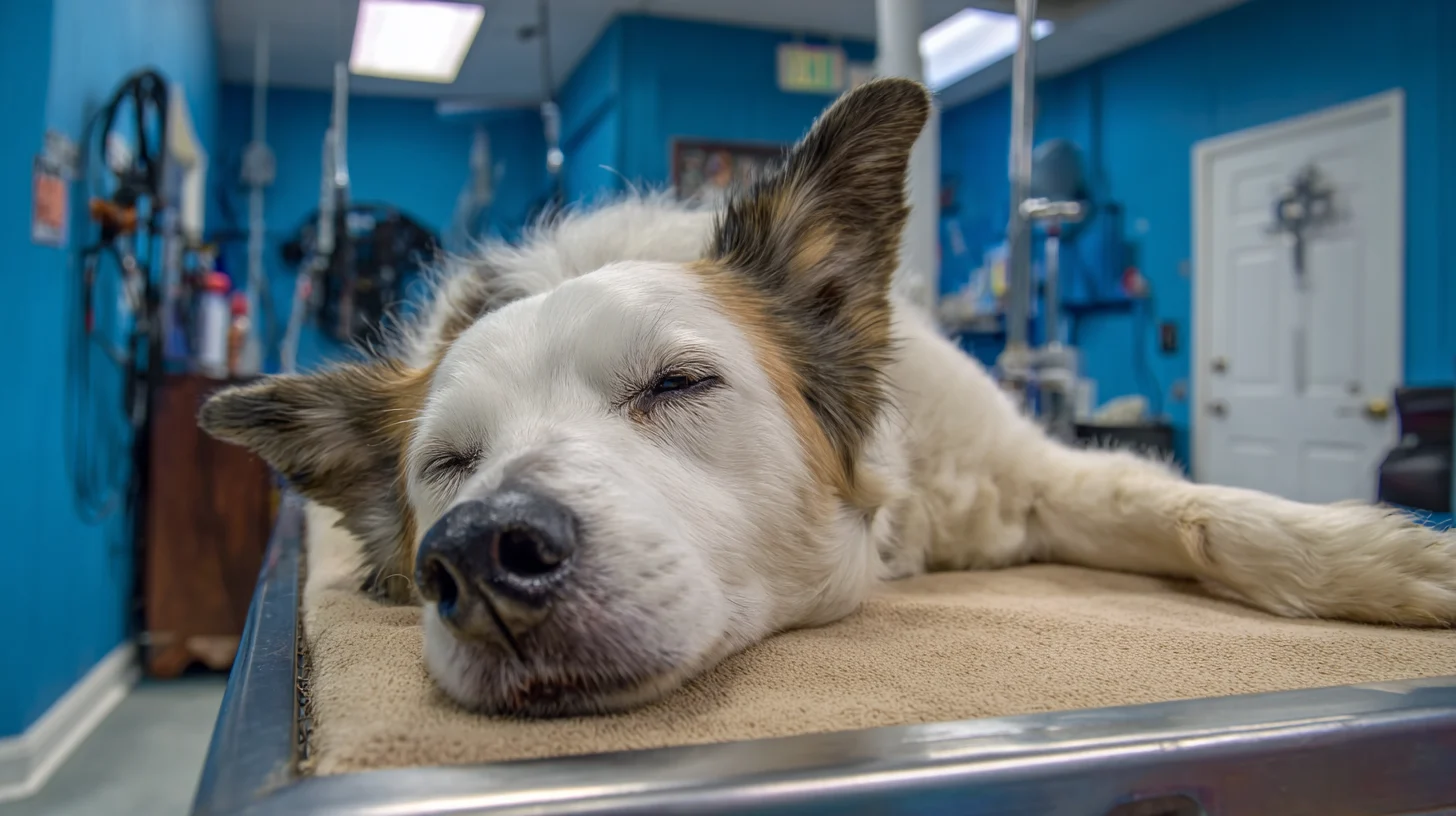
The Tailwaggers Foundation works behind the scenes in Los Angeles, channeling funding to qualified 501(c) nonprofit organizations that provide life-saving treatment to sick and injured animals. Unlike shelters you can walk into, this is grant-making work—connecting money with vetted rescues and medical programs that need it most.
The foundation’s name carries real history. It references the Tailwaggers Club, a charity established in 1929 England with a mission to advance animal welfare. The organization grew rapidly, functioning as both a pet registry and a philanthropic community that attracted attention and resources. When the club expanded to Southern California, it gained serious cultural momentum. Bette Davis was elected president of the local branch, and her high-profile commitment to animal welfare brought significant visibility. LIFE magazine documented one of the club’s fundraising events, which drew support from major donors including Howard Hughes and Walt Disney. The reach was impressive—the club operated continuously through World War II and remained active for decades.
In 1960, Spillers Pet Food acquired the club’s assets and established The Tailwaggers Club Trust as a charitable vehicle to manage and distribute those funds responsibly. This infrastructure allowed the mission to evolve while maintaining continuity.
Today’s Tailwaggers Foundation embodies that same old-Hollywood spirit of coordinated community action. Rather than running a physical shelter, the foundation identifies nonprofits doing critical work—emergency veterinary care, rescue operations, specialized treatment programs—and provides the funding that allows these organizations to expand their capacity. If you work with a rescue or animal welfare organization in Los Angeles County, this foundation represents the kind of institutional support that can bridge the gap between need and resources. For dog owners curious about how their community’s animal welfare infrastructure actually works, the Tailwaggers Foundation represents the quieter but essential mechanisms that keep rescue operations viable.