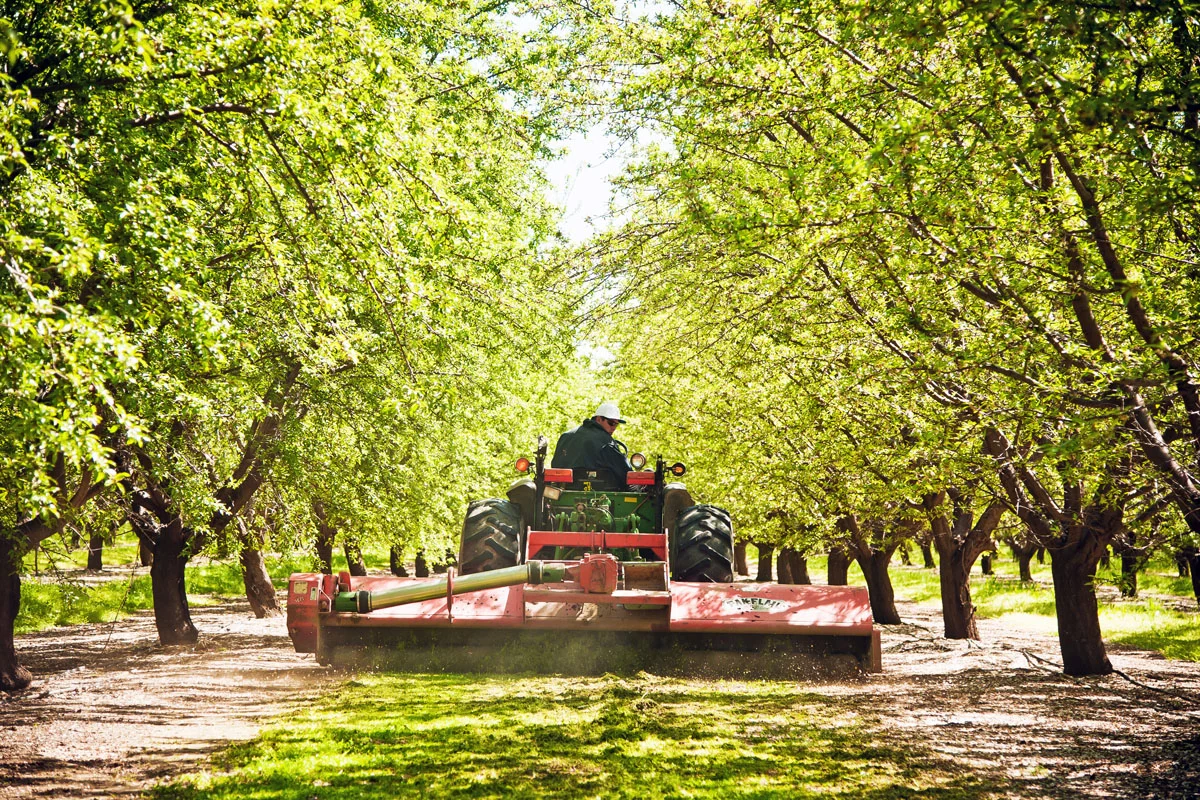
JMLT recently protected 44 acres adjacent to Mount Wanda that would have otherwise become residential housing. The acquisition saved what had been a fruit farm and is now one of the area’s most significant open spaces for both wildlife and recreation.
The property sits within the Alhambra Creek watershed, where Strentzel Creek—named after John Muir’s father-in-law—flows through oak woodlands and native grasslands. Muir himself walked these trails with his daughters, and you’ll see the same coast live oak, blue oak, valley oak, and bay trees that captivated him, along with seasonal wildflowers that blanket the hillsides. The setting feels genuinely connected to local history rather than just another trail system.
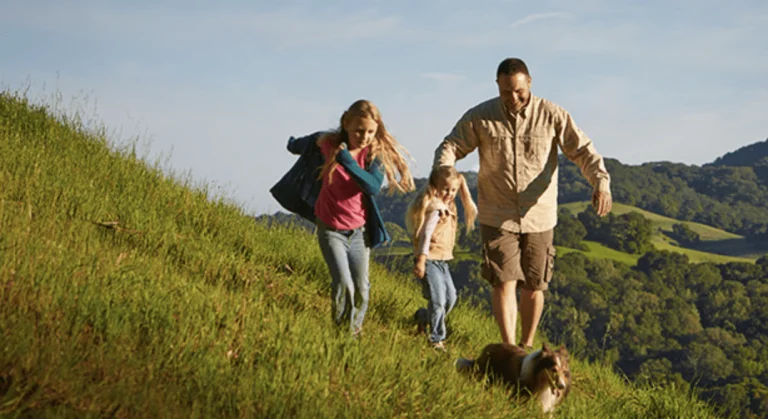
From the hilltops, you get unobstructed views across to Briones Regional Park and the Alhambra Hills. The varied terrain means you can choose easier walks through the valley or more challenging ridgeline routes, and the trails work for hikers, bikers, and people on horseback. Your dog will encounter open grassland, shaded oak groves, and creek crossings depending on which route you take.
Beyond the recreational value, the property protects critical habitat for species like the federally listed Alameda whipsnake, California red-legged frogs, and western pond turtles. You’ll likely spot raptors—Cooper’s hawks, white-tailed kites, golden eagles, and red-tailed hawks hunt over the ridges regularly. The acquisition also creates essential trail connections to the larger Franklin Ridge corridor and links to the 550-mile Bay Area Ridge Trail system, so West Hills Farm functions as part of a much larger network of protected lands rather than existing in isolation.
This is working landscape conservation, not a manicured park. The farm’s history remains visible in how the land is organized, and JMLT’s stewardship keeps it that way. Dogs need to be under control, and it’s worth checking current trail conditions before you go since this is still relatively new open space being developed for public use.