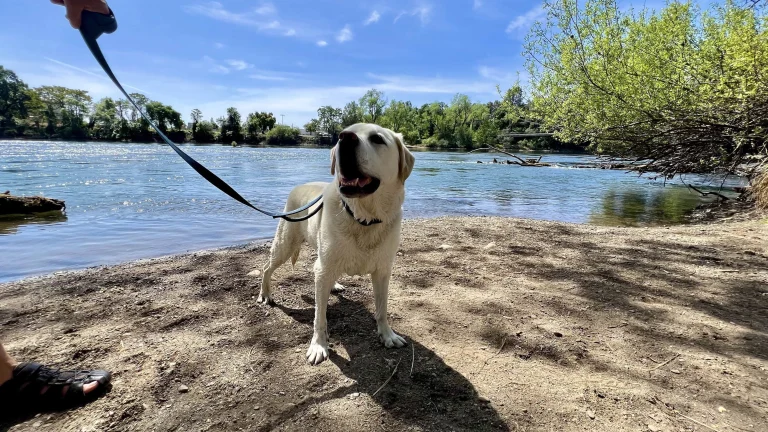

Let’s talk about dogs and wildfires. California’s wildfire season brings serious challenges, not just for people but for their dogs as well. As a dog owner or traveler in California, it’s important to understand how to protect your pets during these times. A recent study from the University of Arizona discussing California wildfires says “Comprehensive emergency plans that consider the needs of pets are crucial.”
Here are five critical things you should know about dogs and wildfire safety.
Dogs and wildfires: Limit outdoor activities
Wildfires significantly worsen air quality, posing serious health risks to dogs. Thick smoke and particulate matter can lead to respiratory issues, allergies, and flare-ups of existing conditions such as asthma. Dr. Gabrielle Fadl of the Bond Vet Clinic in New York City notes that exposure to polluted air can profoundly impact pets’ health, causing symptoms like coughing, sneezing, and wheezing. Short-nosed breeds like bulldogs, pugs, and Boston terriers are especially vulnerable because their compressed airways make it harder to filter out smoke particles.
Actionable tip: Minimize the time your dog spends outdoors during wildfire season. Avoid strenuous activities such as running. Instead, opt for slow, short walks during periods when air quality is relatively better, typically early in the morning before air quality worsens with the day’s heat and wind. Check the AQI (Air Quality Index) on a weather app before heading out — if it’s above 100, keep walks to bathroom breaks only.
Dogs and wildfires: Create a safe indoor environment
Even if your dog is indoors, they can still be affected by poor air quality. Make your home a safe haven from outdoor pollutants. Keep windows and doors closed and use air purifiers with HEPA filters to improve indoor air quality. According to Dr. Bruce Kornreich from the Cornell Feline Health Center, wildfires can produce harmful compounds like hydrogen cyanide and carbon monoxide, which can enter the bloodstream and interfere with oxygen delivery to organs.
Actionable tip: Regularly clean your home to reduce the amount of ash and dust. Wipe your dog’s muzzle, paws, and coat with a damp cloth after they’ve been outside to remove any lingering smoke particles. If you don’t have an air purifier, a box fan with a furnace filter taped to the back can serve as a low-cost alternative.
Dogs and wildfires: Hydration and comfort
During wildfire season, keeping your dog well-hydrated is more important than ever. Smoke and heat can quickly dehydrate pets. Provide plenty of fresh water both indoors and outdoors, and consider adding a splash of low-sodium broth to encourage drinking if your dog seems reluctant. Keeping your dog engaged with indoor activities can also help reduce their stress levels.
Actionable tip: Use puzzle toys filled with treats or kibble to keep your dog mentally stimulated and distracted from the stress of staying indoors. Frozen Kongs stuffed with peanut butter or yogurt are another great way to keep them busy. Maintain a consistent routine to provide a sense of normalcy for your pet — dogs pick up on their owners’ anxiety, so staying calm and sticking to regular feeding and play schedules helps everyone cope.
Dogs and wildfires: Monitor for symptoms
Dogs, like humans, can suffer from the effects of smoke inhalation. Be watchful for any signs of respiratory distress or discomfort in your pets. Common symptoms include coughing, sneezing, difficulty breathing, and lethargy. Changes in behavior, such as decreased activity levels or loss of appetite, can also indicate that your dog is struggling with the air quality. Red, watery eyes and excessive drooling are additional warning signs to watch for.
Actionable tip: If you notice any concerning symptoms, seek veterinary care immediately. Use our veterinarian directory or emergency vet listings to find help near your location. Dr. Jessica Bell of Washington State University advises that even indoor pets should be monitored closely for signs of respiratory distress. Keeping an eye on your pet’s health can prevent minor issues from becoming major problems.
Dogs and wildfires: Emergency preparedness
Having a well-prepared emergency “go bag” for your dog can make a significant difference in a crisis. This should include a supply of food and water for at least five days, medications, medical records, a pet first aid kit, and comfort items like a favorite toy or blanket. Make sure your dog has a collar with updated identification tags and a sturdy leash. A current photo of your dog stored on your phone is also invaluable — if you get separated during an evacuation, it makes reunification much easier.
Actionable tip: Plan your evacuation routes in advance and identify pet-friendly hotels along your route. Practice crate training and familiarize your dog with wearing a muzzle, as they may be required in certain emergency shelters. Keep your go bag near the front door during fire season so you can grab it quickly if an evacuation order comes.
Wildfire season in California poses unique challenges for dog owners and travelers. By limiting outdoor activities, creating a safe indoor environment, staying on top of hydration and comfort, monitoring for symptoms, and being prepared for emergencies, you can protect your dog from the harmful effects of wildfire smoke. Staying informed and proactive can make all the difference in keeping your dog safe and healthy during wildfire season. For more health and safety advice, read our guide on protecting your dog from heatstroke.
Here are the links to the source material used in the article:
- University of Arizona Study on Wildfires
- Humane Society Pet Disaster Preparedness
- Outward Hound – Emergency Preparedness for Pets
- CNN Article on Pet Safety During Wildfire Smoke