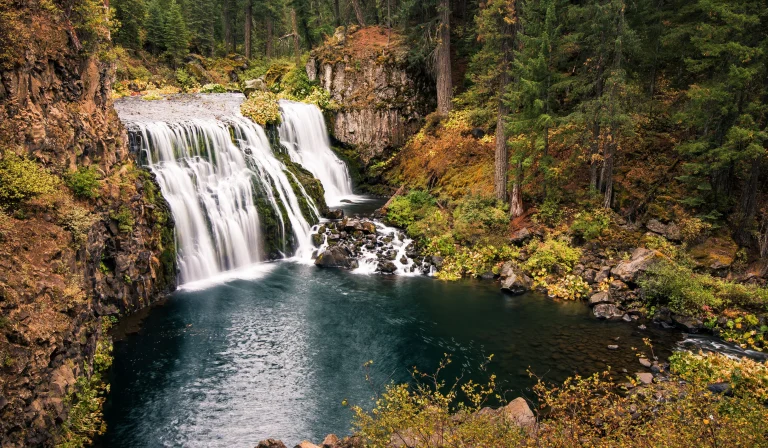
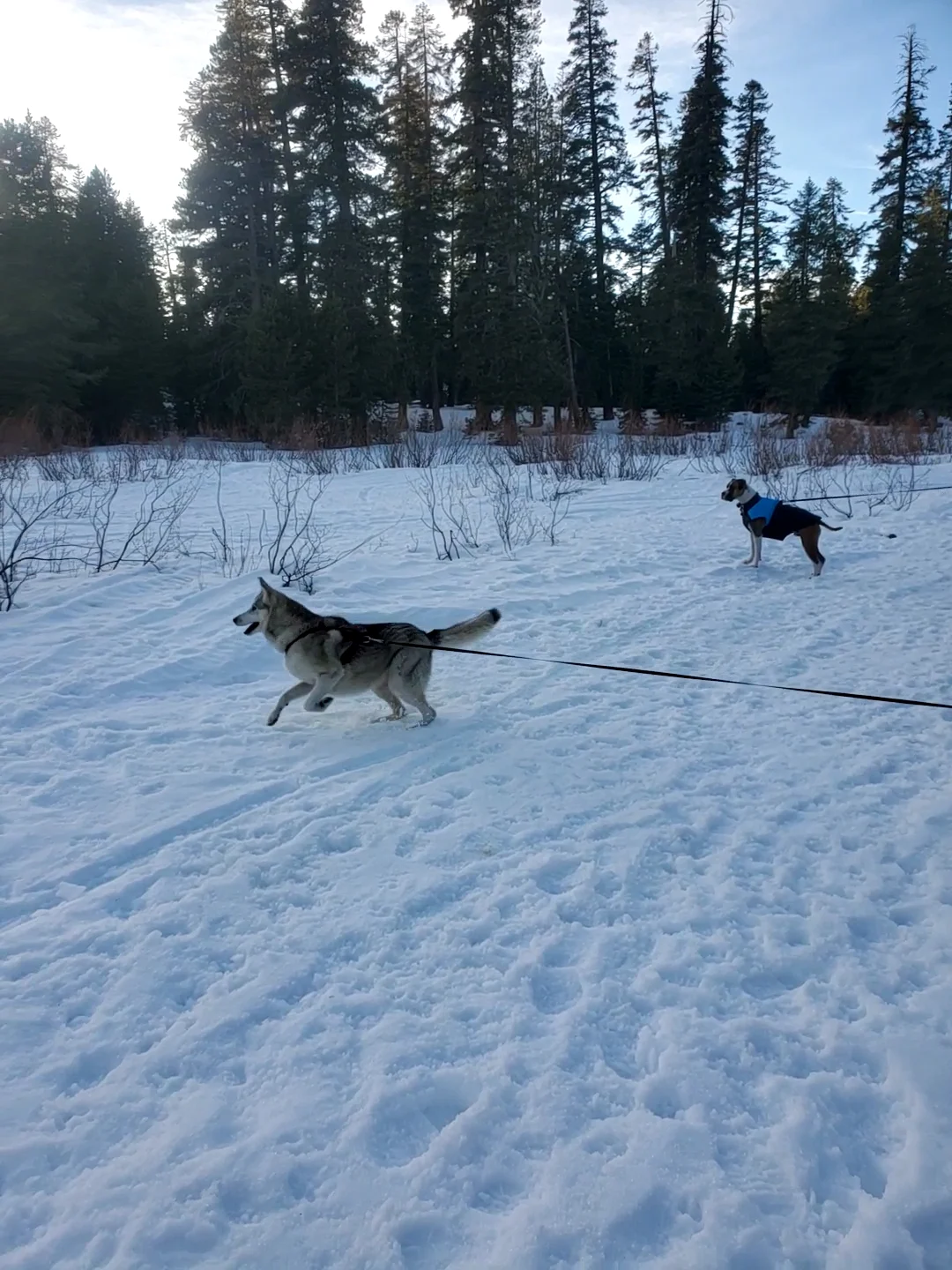
The super bloom headlines always come and go by mid-April, and every year we get the same email: “We missed the wildflowers — is it over?” It isn’t. It just moved uphill.
California’s best-kept wildflower secret is that the high country blooms a full month or two after the valleys. As the snow pulls back from 6,000, 7,000, 8,000 feet, whole meadows light up — mule’s ears, lupine, paintbrush, columbine, shooting stars — and they keep coming through June and sometimes into early July. The crowds that swarmed Antelope Valley in March are long gone by then.
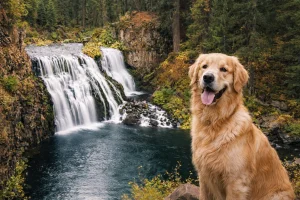
Here are four high-elevation dog-friendly hikes where the wildflowers are still climbing when the rest of the state has moved on.
Carson Pass: The meadow everyone should see once
Carson Pass, on Highway 88 south of Lake Tahoe, tops out around 8,500 feet and sits right on the edge of the Mokelumne Wilderness. The meadows around Winnemucca Lake and Frog Lake are the classic late-spring bloom — lupine, paintbrush, and mule’s ears rolling out under Round Top Peak. Dogs are welcome on leash on the USFS trails here, and the high elevation keeps things cool even when the valley is cooking. The bloom window typically runs from late June into July, so early plans for this are right on time. Lodging is thin at the pass itself; our usual move is to base in South Lake Tahoe and drive up, and our Lake Tahoe spring guide covers the options.
Panther Meadows, Mount Shasta: Subalpine everything
Panther Meadows sits at around 7,500 feet on the southern shoulder of Mount Shasta, and when the snow melts back in June and early July, the whole place goes off. Shooting stars, paintbrush, lupine, and penstemon fill a chain of meadows fed by snowmelt springs, with Mount Shasta itself filling the sky above. Dogs are welcome on leash on the Forest Service trails. It’s sacred country to the Winnemem Wintu, so travel light and stay on path. Base out of Mount Shasta City: Cold Creek Inn & Suites and Best Western Plus Treehouse both welcome dogs. More Shasta Cascade trail ideas in our regional trails roundup.
June Lake Loop: Eastern Sierra on the east side of the crest
The June Lake Loop off Highway 395 puts you in Eastern Sierra country — steep walls, aspen groves, lakes strung along the canyon floor. Once the snow drops back in late May and early June, trails around Gull Lake, Silver Lake, and up toward Parker Lake open to wildflowers: lupine, Indian paintbrush, columbine in the shaded seeps. Dogs are allowed on leash in most of the surrounding Inyo National Forest. Double Eagle Resort and Pine Cliff Resort both welcome dogs and sit right on the loop. For more Eastern Sierra trip ideas, our Mammoth guide is the right starting point.
Lassen country: The one most people miss
Lassen Volcanic National Park doesn’t allow dogs on its trails, but the national forest and wilderness country surrounding it is a different story — and the wildflowers there are just as good. The south end of the Caribou Wilderness, Spencer Meadow in the adjacent Lassen National Forest, and the meadows along Butt Valley Reservoir all see a strong late-spring bloom once the snow pulls back. Base out of Chester or Chico: DoubleTree by Hilton Chico is the easiest dog-friendly lodging anchor south of the park. Check current trail status with the ranger district before you go — access depends on the snow year.
Before you go
High-elevation bloom windows move fast and vary every year. Call the local ranger district a few days out to check snow levels and trail access. Bring layers for afternoon thunderstorms, which are real at this elevation. Carry extra water — the high country dries dogs out faster than people realize — and a lightweight dog coat if overnight temps at the trailhead are still dropping into the 30s. And remember: these flowers live hard lives in short windows. Leash up, stay on trail, and leave the meadow the way you found it. We want our dogs to see this next June, too.