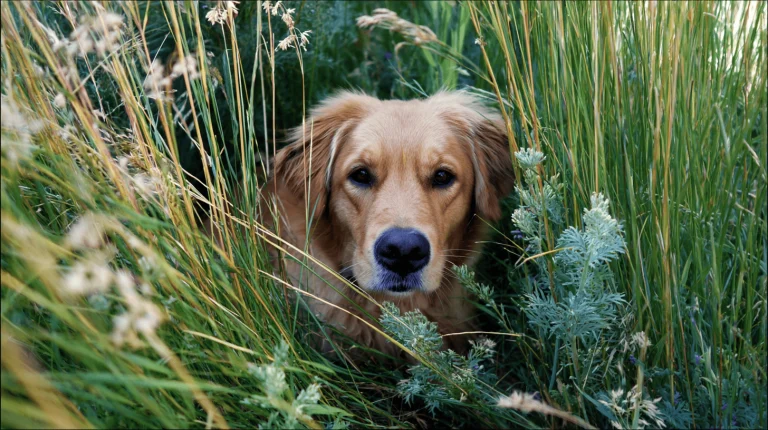

Every dog owner knows the look. The leash comes out and suddenly your dog is ten times more alive — ears up, tail spinning, body vibrating with anticipation.
That burst of excitement may be doing more than making your dog happy. A growing body of research suggests an active outdoor lifestyle could play a meaningful role in canine health and longevity.
Scientists studying aging dogs are increasingly finding that the same factors that keep humans healthy — exercise, mental stimulation and environmental variety — also shape how dogs age.
Few things deliver all three better than getting outside.
The science of canine longevity
One of the largest efforts to understand dog aging is the Dog Aging Project, a nationwide research study tracking tens of thousands of companion dogs across the United States.
Researchers are examining how genetics, diet, activity and environment influence how long dogs live and how healthy those years are.
One finding keeps emerging: lifestyle matters.
Dogs that remain physically active and mentally engaged tend to show slower signs of aging. Regular activity supports heart health, weight control and metabolic function. Mental stimulation appears to protect cognitive health as dogs grow older.
In other words, the daily walk is more than exercise. It may be preventive medicine.
Nature as a sensory playground
Dogs experience the world through scent first. A trail or park is not just a place to move their bodies. It is a constantly changing landscape of smells, sounds and textures.
That sensory stimulation matters.
Veterinary researchers studying canine cognition have found environmental novelty — new places, new smells and new routes — activates brain pathways involved in learning and memory. For aging dogs, this kind of stimulation may help slow the onset of canine cognitive dysfunction, the dog equivalent of dementia.
Put simply, every new trail is a puzzle for your dog’s brain to solve.
Letting dogs sniff, explore and navigate new terrain gives their minds a workout along with their muscles.
The microbiome connection
Another emerging area of research involves the canine gut microbiome, the trillions of microbes living in a dog’s digestive system.
Scientists increasingly believe the microbiome influences everything from immunity to inflammation and even behavior.
Diverse environments appear to promote a more diverse microbiome. Exposure to soil, plants and natural ecosystems introduces beneficial microbes that can help maintain microbial balance in the gut.
Dogs that spend time outdoors — hiking, swimming or simply rolling in the grass — may be getting an invisible health boost from those environmental microbes.
It is one reason many veterinarians encourage regular outdoor activity rather than strictly indoor lifestyles.
Adventure as enrichment
Physical exercise is only part of the story. Enrichment — activities that challenge a dog mentally — is just as important for long-term health.
Travel, hikes and new environments deliver enrichment naturally.
Different terrain engages muscles in new ways. Climbing hills, balancing on uneven trails and navigating streams all build strength and coordination. Meanwhile unfamiliar sights and smells keep a dog’s brain engaged.
For many dogs, a weekend outing offers far richer stimulation than a routine walk around the block.
That does not mean every dog needs to summit a mountain. Even small adventures — visiting a new beach, exploring a wooded trail or walking through a different neighborhood park — can provide valuable stimulation.
Outdoor time for senior dogs
The benefits of outdoor activity do not disappear as dogs age. In fact, they may become even more important.
Senior dogs often experience gradual cognitive decline, reduced mobility and changes in sleep patterns. Gentle outdoor activity can help counter many of these issues.
Short walks, sniff-heavy strolls and relaxed trail outings keep joints moving and brains active without overexertion. Soft natural surfaces such as dirt trails are often easier on aging joints than pavement.
Many older dogs also show renewed energy when visiting new places, suggesting novelty continues to stimulate the brain well into the senior years.
The key is moderation. Shorter outings, cooler temperatures and frequent water breaks help keep aging dogs comfortable while still giving them the benefits of outdoor exploration.
The takeaway
Modern canine health research is revealing something dog owners have long suspected: lifestyle shapes longevity.
Regular activity, mental stimulation and environmental variety appear to support healthier aging in dogs. Outdoor adventures combine all three in one simple routine.
That does not require epic hikes or long road trips. It starts with the basics — daily walks, new routes, time in parks, trails or beaches where dogs can safely explore.
From a dog’s perspective, every outing is an opportunity to sniff something new, learn something new and move their body in ways nature designed.
And if the latest science is right, those small adventures may add up to something bigger: more healthy years with the dogs we love.