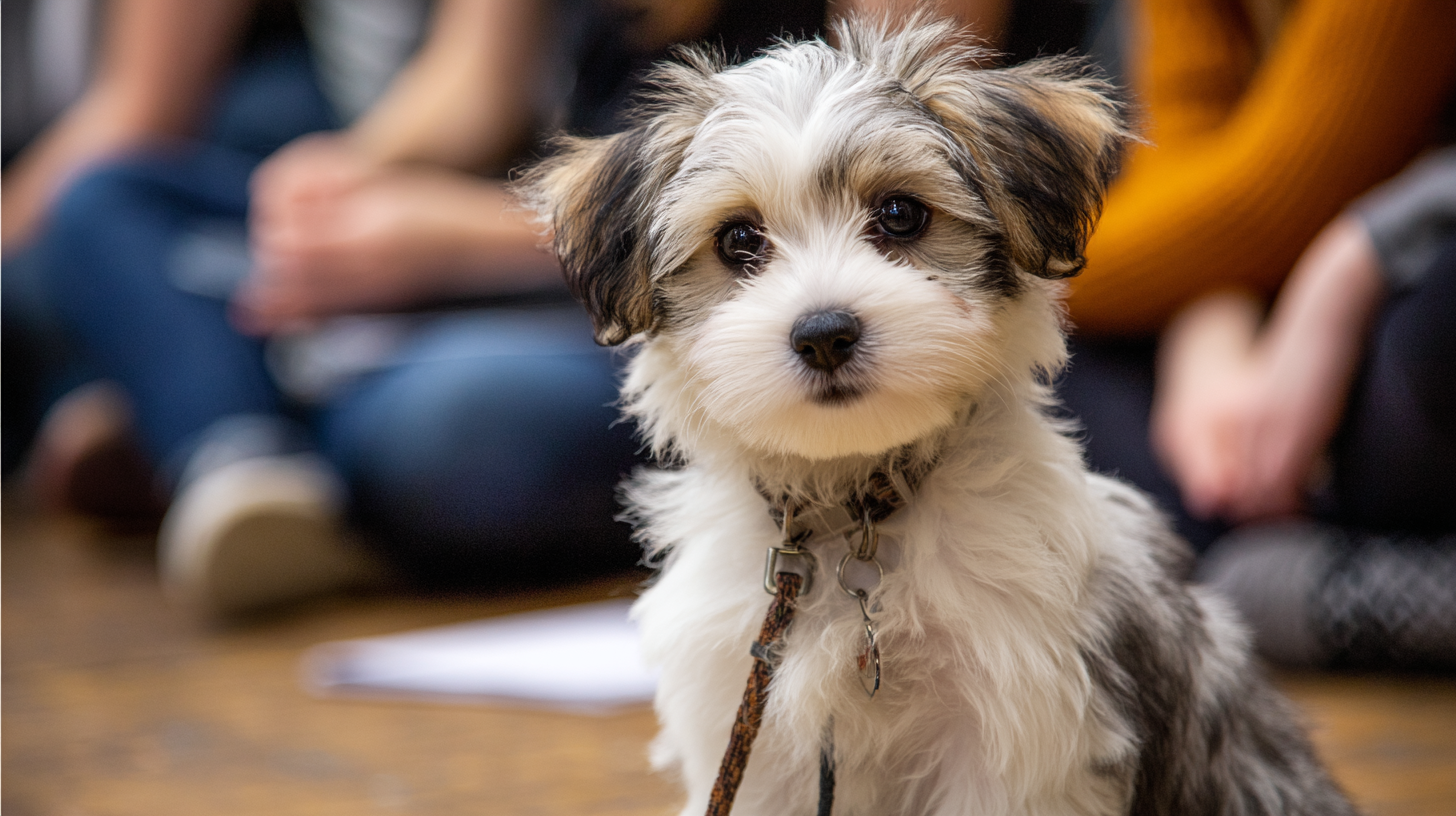
Bringing home a puppy can turn your house upside down—but in the best possible way. The first year is more than adorable mischief; it sets the stage for your dog’s lifelong habits, behavior and bond with you. Getting puppy training right isn’t just about teaching “sit” or “stay.” It’s about building confidence, good manners and creating clear communication between you and your four-legged hiking buddy-to-be.
Here’s what every new dog parent should know:
1. Start early
The sweet spot for puppy training is between 8 weeks and 1 year old. Early lessons stick. Puppies soak up knowledge like sponges, eager to please and quick to learn. Teach basics early, and you’ll avoid tough habits down the road.
2. Positive reinforcement always wins
Forget outdated, dominance-based methods. Modern dog training is built on positive reinforcement. Reward-based techniques—treats, praise and play—make training sessions fun and effective. Your pup learns faster, retains better and the bond between you strengthens daily.
3. Socialization: the key to a confident dog
A well-socialized puppy grows into a friendly, calm adult dog. Introduce your pup safely and positively to new environments, people, other dogs, sights, sounds and even smells. Take advantage of local dog-friendly parks, trails and pet-friendly beaches to make this experience enriching for your young companion.
4. Consistency is crucial
Dogs thrive on routine. Consistent commands, routines and responses from everyone in your household help puppies learn quickly. Keep cues short, clear and consistent. Your dog will soon learn exactly what’s expected.
5. Short sessions, big results
Puppy attention spans are short. Keep training sessions to about 10 to 15 minutes at a time. Frequent short lessons throughout the day are far more effective than long, tedious sessions. Finish on a positive note every time, ensuring training feels rewarding.
6. Patience and persistence
Accidents and slip-ups are part of puppyhood. Your pup isn’t misbehaving—they’re learning. Respond to accidents calmly and continue training positively. Puppies sense frustration, which can stall progress. Patience always pays off.
7. Seek expert guidance when needed
Don’t hesitate to consult professional trainers if challenges arise. A knowledgeable trainer can help correct issues early, preventing long-term problems. Look for trainers who emphasize humane, science-backed training methods and have a positive, supportive style.
Your puppy’s early months fly by. Each lesson learned during this crucial period shapes the adventurous, well-behaved dog they’ll become. Invest in your pup’s training now, and you’ll reap the rewards on trails, campsites and beaches for years to come.