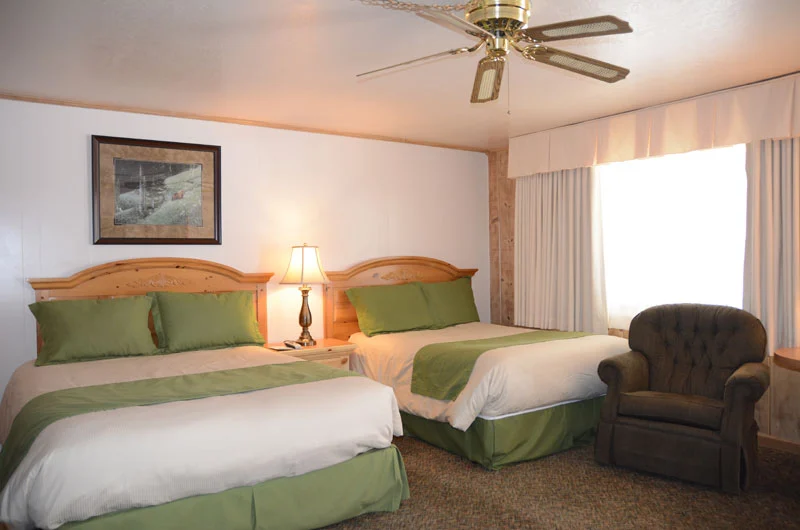
The most dangerous moments of most dog vacations are not on the trail or in the car — they are in the first ten minutes of arrival at an unfamiliar room. New smells, a panicking owner fumbling with keycards, housekeeping propping the door open, and a dog who has been cooped up for six hours: that is exactly the door-dash scenario that ends with a dog loose in a hotel parking lot next to a highway. Here is how to run a dog-friendly hotel or vacation rental stay so everyone sleeps through the night.
Before you book
- Call, don’t just click. A property can be “pet-friendly” on a listing site and still have a 25-pound weight limit, a $150/night pet fee, or a policy that your dog cannot be left alone in the room. All of these matter. Confirm by phone and get the answer in writing via email.
- Ask for a ground-floor room near an exterior exit. Fewer hallways to cross, faster bathroom breaks, less elevator drama.
- Avoid rooms with balconies if you have a small dog or a climber. Gaps in railings are sized for adult humans, not for 12-pound terriers.
- For vacation rentals, ask about pools, ponds, and unfenced yards. “Fenced” often means three sides — the fourth being an open driveway to a county road.
The arrival protocol
- Check in alone first. Leave your dog in the car with the climate on for five minutes while you scout the room. Look for gaps under doors, loose window screens, exposed wiring, rodent bait stations, and anything chewable at dog height.
- Bring the dog in on leash, and keep them on leash for the first 20 minutes. Let them smell every corner before you unclip. The leash prevents marking and prevents a bolt if housekeeping knocks.
- Put the “Do Not Disturb” sign out immediately. Add a note: “Dog inside — please knock and wait.”
- Set up their bed or crate in a low-traffic corner, not by the door. A dog who beds down next to the door will be the first thing that moves when it opens.
Door-dash prevention
The single most common hotel dog emergency is a door opened unexpectedly — housekeeping, maintenance, a delivery — and a dog who slips past before the human can react. Two habits eliminate most of the risk.
- The crate rule. If you cannot be between your dog and the door, your dog is in the crate. Period. This also solves the “can I leave them in the room alone” question — most hotels allow crated dogs unattended even when they do not allow loose ones.
- The two-door rule. Train a rock-solid “wait” at thresholds. Your dog does not cross a doorway until you say so, every time. Practice it at home before the trip.
Leaving them alone
Even properties that permit unattended dogs expect them to be quiet and crated. A dog that barks for two hours while you are at dinner is the reason the next guest is told the hotel no longer takes pets. If your dog is not crate-trained or is prone to separation anxiety, plan around it: bring a second adult, use a local dog walker (Rover and Wag both operate in most California destinations), or pick restaurants with patios that permit dogs. Leaving a barking dog alone is how the whole dog-friendly-travel ecosystem gets worse for everyone.
Small but easy wins
- Bring a washable mat or sheet for the bed. Many properties charge for shed hair; a top sheet prevents it.
- Freeze a stuffed Kong the night before departure and deploy it on arrival — occupied dog equals calm dog.
- Carry enzymatic cleaner (Nature’s Miracle) in a ziplock. Accidents happen. Cleaning them properly is what keeps properties pet-friendly.
- Tip housekeeping in cash with a handwritten note mentioning the dog. You are investing in the next dog traveler’s welcome.
Good hotel dogs are made, not born. The prep you do before the key card hits the door is what determines whether the trip is a vacation or a damage deposit.