California dog owners are hearing more about leptospirosis, a bacterial disease that has veterinarians sounding the alarm. In the San Francisco Bay Area, a surge of leptospirosis cases followed this winter’s heavy rains, prompting worried owners to call vets about the “lepto vaccine.” Down south in Los Angeles, an outbreak a few years ago left vets baffled as multiple dogs fell ill, some from popular dog daycare and park locations. Leptospirosis (or “lepto” for short) isn’t new — but it is newly on the rise in urban areas, and experts say every dog owner should understand the risks and how to protect their pup.
What is leptospirosis and why the concern?
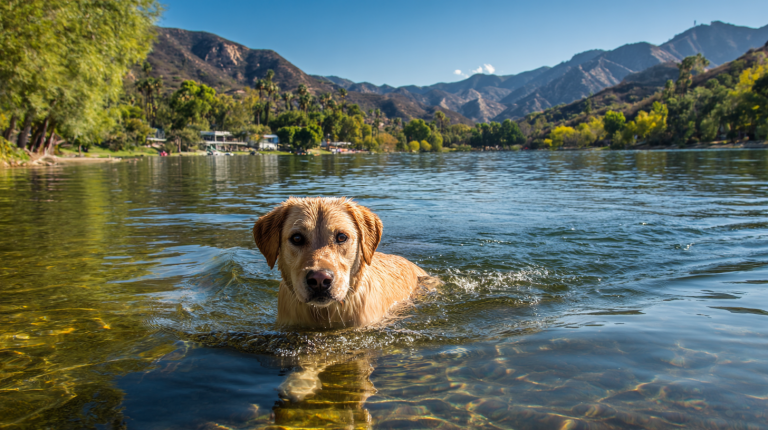
Leptospirosis is an infection caused by Leptospira bacteria found in water and soil contaminated by the urine of infected animals. Dogs typically contract it by drinking or wading in stagnant water — like puddles, ponds or muddy dog parks — where wildlife such as rats, raccoons, skunks or deer have left bacteria. Historically, lepto was seen more in rural or swampy areas. Now, veterinarians report it in city dogs, too. All dogs are at risk, no matter where they live or how “indoor” their lifestyle.
The disease can attack a dog’s kidneys and liver, leading to serious illness or organ failure. Early symptoms can be vague: lethargy, fever, loss of appetite, vomiting, or excessive thirst and urination are common signs. Because these mimic other illnesses, leptospirosis may go unrecognized until it’s advanced. Prompt antibiotic treatment can cure it if caught early, but untreated cases risk deadly complications. Alarmingly, lepto is zoonotic, meaning it can spread to humans through contact with an infected pet’s urine — so preventing it in dogs also protects pet owners.
Why are cases rising now?
Several factors have contributed to the recent spike in leptospirosis cases in California. One big reason is environmental change — notably, periods of heavy rainfall. Increased rain can create more puddles and muddy areas where leptospira bacteria thrive. UC Davis veterinary professor Jane Sykes says rainfall allows the bacteria to build up as a biofilm on wet soil and surfaces. This helps it persist for weeks to months in the environment. In Northern California, the exceptionally rainy winters have led to more standing water and more opportunities for dogs to encounter the bacteria.
Urban rodent populations are another culprit. Rats in particular are important carriers — up to 90% of city rats may shed leptospira in their urine. Los Angeles vets noted that a canine lepto outbreak coincided with an increase in rats around homeless encampments and city parks. The bacteria can survive in moist dirt and grass, so a dog sniffing or licking contaminated ground at a dog park weeks after rats were there can get infected. In one Westside LA outbreak, at least two boarding facilities and a dog daycare saw clusters of cases.
Another reason for rising cases is greater awareness and testing. Lepto was once thought rare, so vets might not test for it initially, meaning cases were missed. Now, with outbreaks in places like Los Angeles, Denver, Chicago, Arizona and even arid Wyoming, veterinarians are keeping lepto on their radar. Once suspected and tested for, more cases are confirmed — painting a clearer picture of its true prevalence.
A new push for vaccination
The good news: leptospirosis is preventable. There is a vaccine for dogs that targets the most common strains of leptospira. Until recently, many vets treated it as “non-core,” offering it mainly if a dog lived or traveled in high-risk areas. Some older lepto vaccines had a reputation for causing more frequent side effects, which made vets and owners cautious.
Today’s reality is that every dog has some level of risk, whether from a neighborhood rat, a backyard puddle, or a visit to the local dog park. In recognition of this, the American Animal Hospital Association recently updated its guidelines to move leptospirosis from a non-core to a core vaccine — essentially recommending it for all dogs, just like rabies or parvo shots. An expert panel from the American College of Veterinary Internal Medicine now advises annual lepto vaccination for all dogs instead of every three years.
If your dog hasn’t had a leptospirosis vaccine before, it typically involves an initial shot and a booster a few weeks later, then yearly boosters. While vaccination doesn’t guarantee 100% protection (because there are many strains and the vaccine covers the main ones), it significantly reduces the chance of severe illness. Vaccinated dogs that do contract lepto tend to have milder cases. Talk to your veterinarian about your dog’s vaccine status — it may be time to add this one if it’s not already in the rotation.
Protecting your dog from lepto
Aside from vaccination, preventive habits can go a long way toward reducing your dog’s leptospirosis risk:
Avoid stagnant water: Don’t let your dog drink from puddles, ponds or unknown standing water. Carry fresh water on hikes and walks so they aren’t tempted by that gutter or mud puddle.
Control rodents around your home: Rats and other critters can shed the bacteria in your yard. Secure your trash and don’t leave pet food outdoors.
Be cautious in communal dog areas: Outbreaks have been linked to dog parks, kennels and daycare facilities. Some now require lepto vaccination for entry.
Know the warning signs: Even with precautions, infections can happen. If your dog shows symptoms like extreme thirst and urination, sudden lethargy, vomiting, or yellowing of the eyes or gums, see a vet immediately.
Practice good hygiene: If your dog is being treated for lepto, avoid contact with their urine and disinfect any accidents with a bleach solution.
By staying informed and proactive, you can greatly reduce the chances of leptospirosis affecting your furry family member. With vaccination and common-sense precautions, it’s a foe we can manage. Veterinarians view leptospirosis prevention as a “One Health” effort, benefitting animals and people alike. So chat with your vet about the lepto vaccine, and keep enjoying California’s great outdoors with your dog — just skip the puddle drinking.