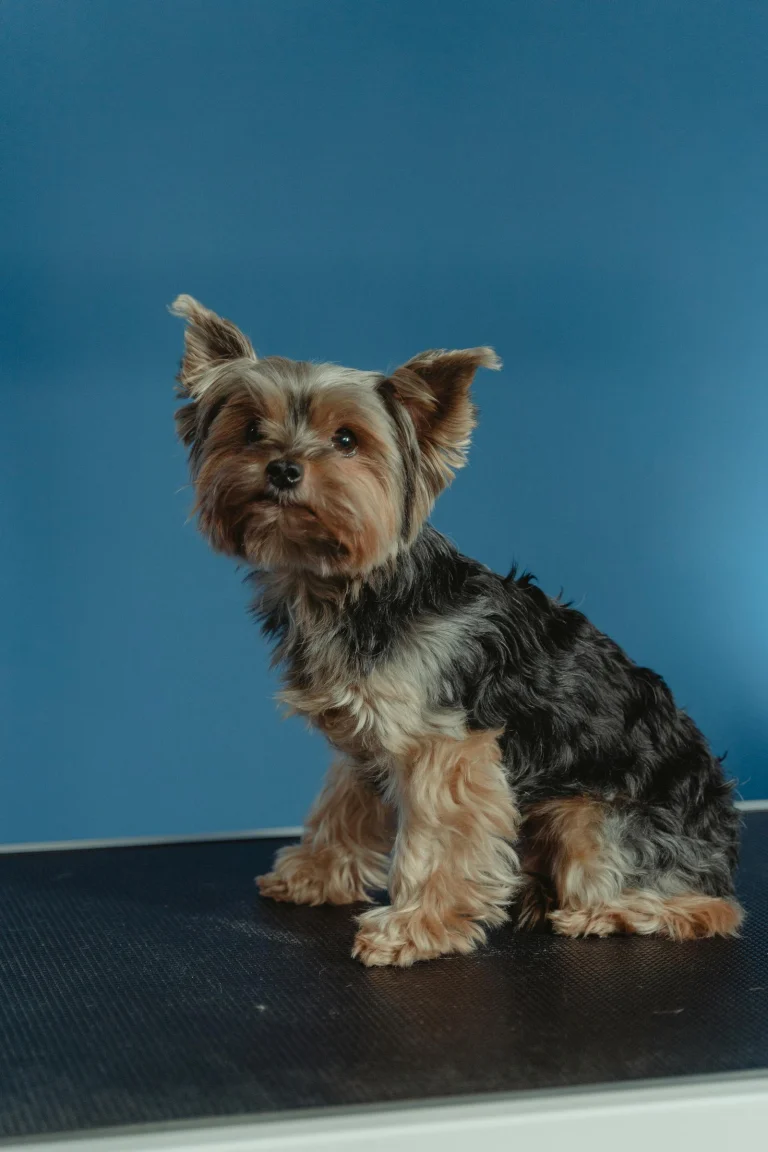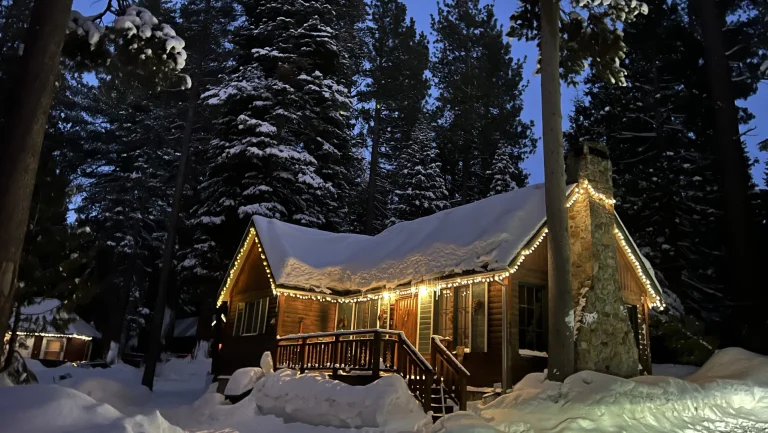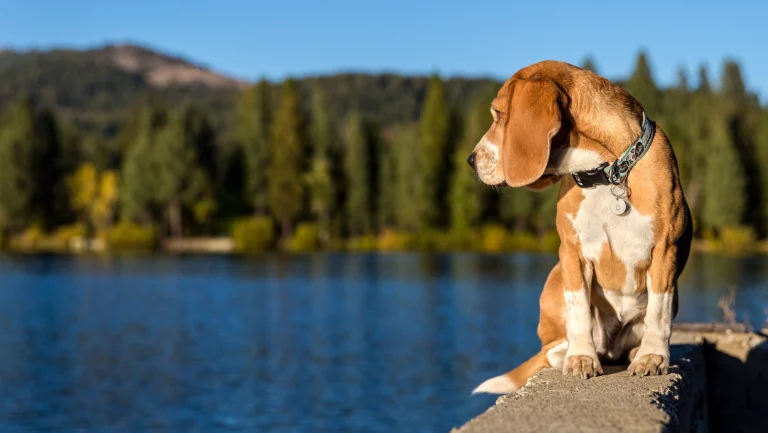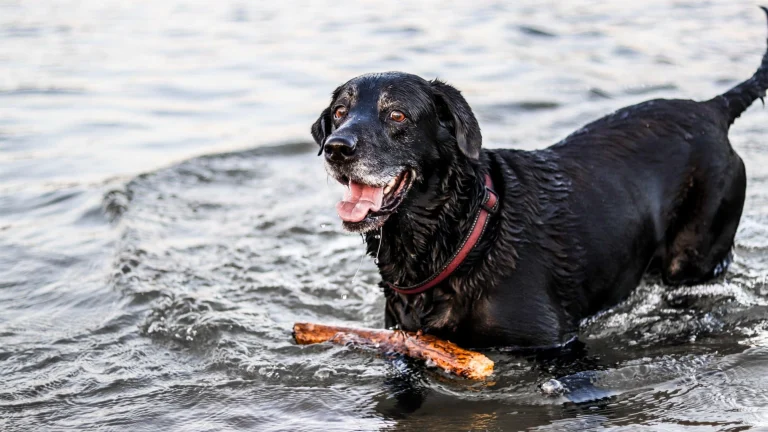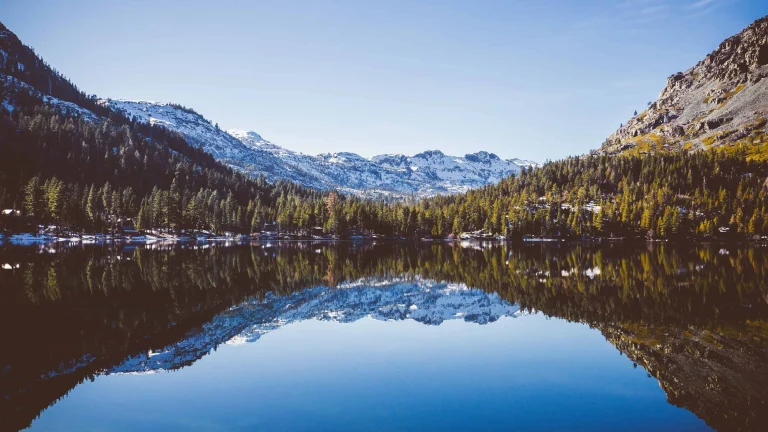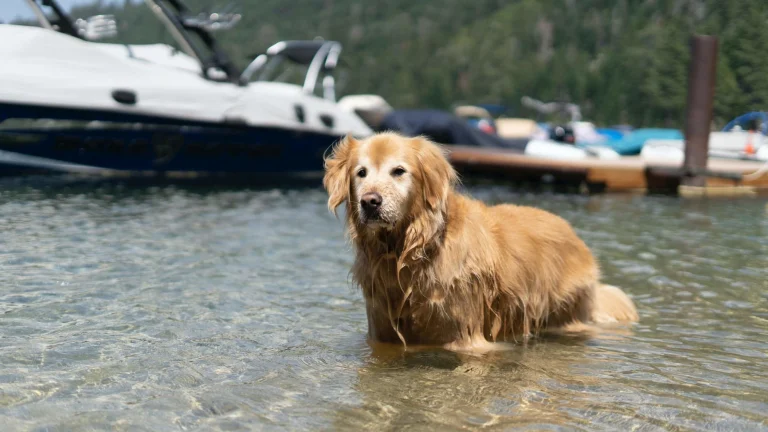

Stand on the pier at Kiva Beach on a calm July morning and you can watch a ten-cent coin disappear into water that looks like cold gin. That clarity is not an accident, and it is not permanent. UC Davis’s Tahoe Environmental Research Center has been lowering a white Secchi disk into the lake every couple of weeks since 1968. In 1968, you could see it down to 102.4 feet. TERC’s 2023 State of the Lake report put the annual average at 71.7 feet — a small uptick from the year before, but still roughly thirty feet shallower than when Nixon took office. Every particle in the water column matters. Including the ones your dog left behind the manzanita.
The chemistry, not the ick factor
A single gram of dog waste contains around 23 million fecal coliform bacteria — the EPA’s working figure, and the reason most municipal stormwater permits treat dog poop as a regulated pollutant. But bacteria aren’t really Tahoe’s problem. Tahoe’s problem is nutrients, and dog waste is a concentrated delivery system for two of them: nitrogen and phosphorus.
Phosphorus is the one that matters most here. Tahoe is phosphorus-limited, meaning algae growth is gated by how much P is available. Add phosphorus and you get more algae, more fine particulate, and less of that absurd cobalt-blue visibility. A typical dog produces around three-quarters of a pound of waste a day, carrying roughly a gram of nitrogen and a couple hundred milligrams of phosphorus per pile. Multiply by the estimated hundreds of thousands of dog visits to the basin each year, and you have a nontrivial nutrient load landing on decomposed granite soils that drain, fast, straight into the lake.
Why Tahoe is different from your local creek
In most watersheds, soil, wetlands, and microbial communities do a decent job buffering what washes off the trail. The Tahoe Basin is a granite bowl. Snowmelt and summer thunderstorms move surface runoff through coarse, sandy soils with very little organic filtering, and a huge share of the basin drains to the lake within a mile or two. A pile left near Eagle Falls in June is, functionally, a pile left in Emerald Bay by August. Nevada Beach, Pope Beach, the Tahoe Rim Trail switchbacks above Spooner — same story, different zip code.
What actually works on the trail
This is where Leave Only Paw Prints® comes in. The idea is simple and it is the whole ethic of this series: your dog gets to be here, and the place stays worth coming back to. In practice, for Tahoe specifically:
Bag it every time, even off-trail and even in snow. Buried waste in granite soil is not “composting” — it’s leaching. Pack the bag out; don’t stash it trailside to grab on the way back (you won’t, and marmots will). Use the dedicated waste stations at Kiva, Nevada Beach, and most Forest Service trailheads on the west shore. If you’re skiing with your dog at Tahoe Donner or Hope Valley, the rule doesn’t change just because there’s a foot of snow on top — it’s all in the same watershed when May comes.
The League to Save Lake Tahoe — the “Keep Tahoe Blue” folks — has been hammering on stormwater and fine-sediment pollution for years, and pet waste is squarely on their list. It’s the easiest input to cut, because it’s one hundred percent within our control.
The forward look
Dog travel in California is growing, not shrinking, and Tahoe is the marquee destination. Leave Only Paw Prints is how we keep it that way: more dogs on more trails, and a lake that still makes a Secchi disk disappear into blue.