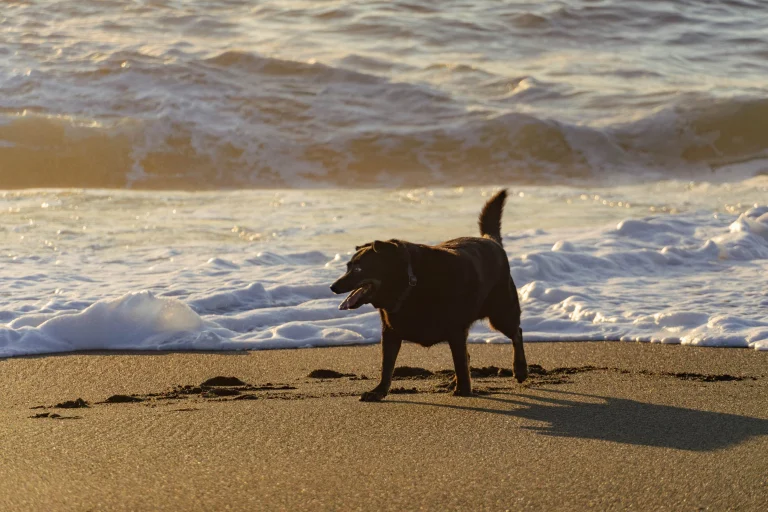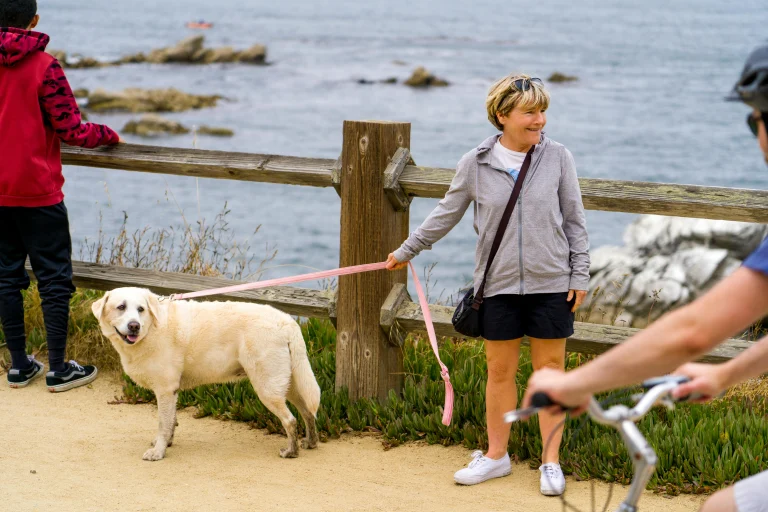
On the San Francisco Peninsula, dogs don’t just find homes — they find second chances, road-trip buddies and beach-day companions. Behind those happy endings is a network of rescue organizations doing the kind of work that rarely makes headlines but changes lives every day.
From large, full-service shelters to scrappy foster-based groups, Peninsula rescues share a common goal: getting dogs out of tough situations and into loving homes — preferably ones that appreciate a good hike.
The big heart of the Peninsula
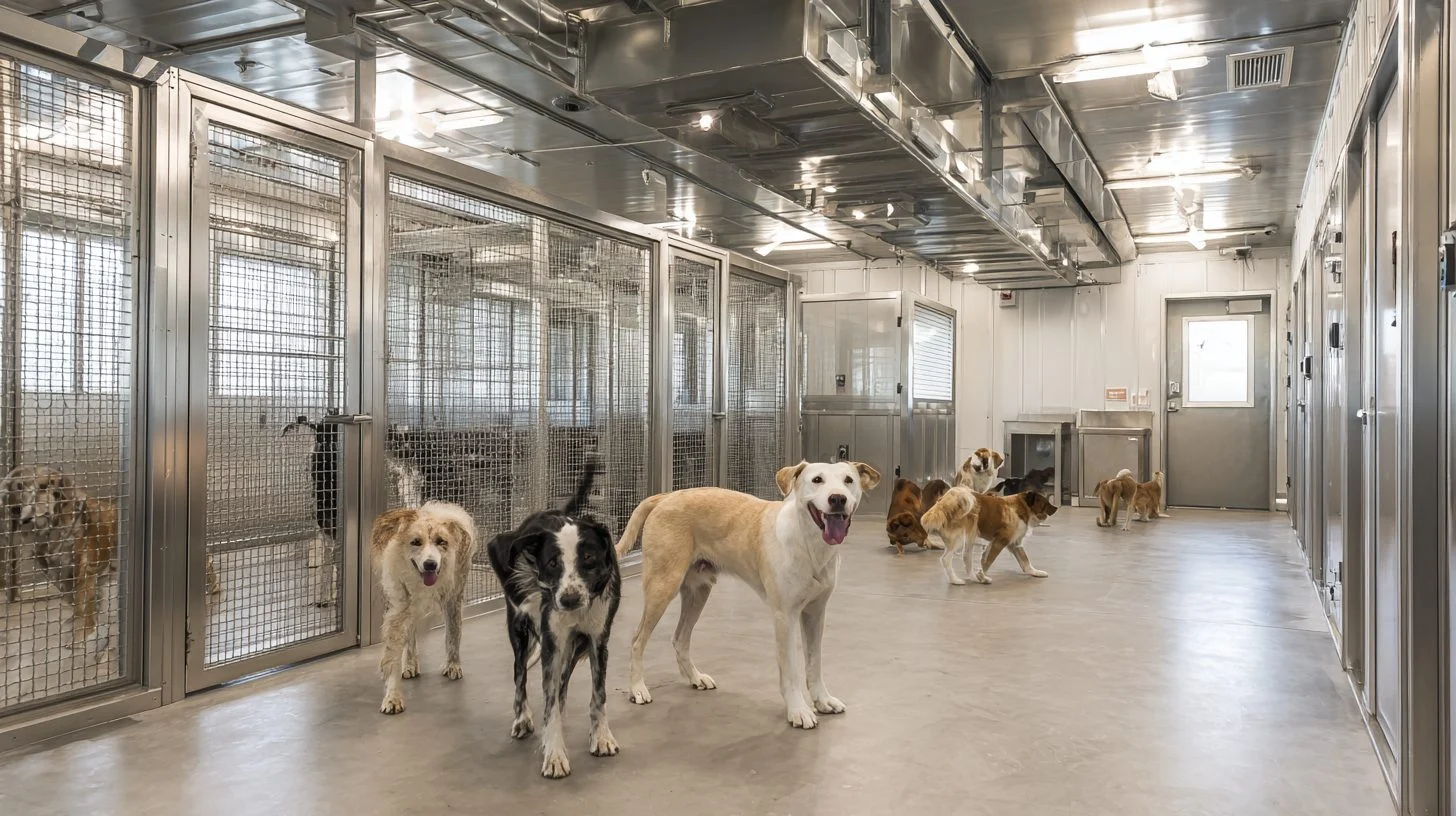
If there’s a cornerstone of animal rescue on the Peninsula, it’s the Peninsula Humane Society & SPCA in San Mateo County. This is the heavy hitter — a full-service organization that takes in thousands of animals each year, providing everything from medical care to behavioral support.
But what really sets it apart isn’t just scale. It’s philosophy.
This is a place that invests in rehabilitation, not just rehoming. Dogs with medical issues, shy temperaments or a rough past aren’t written off — they’re given time, training and a real shot. For adopters, that means you’re not just picking out a pet. You’re being matched with a dog whose needs and personality have been thoughtfully considered.
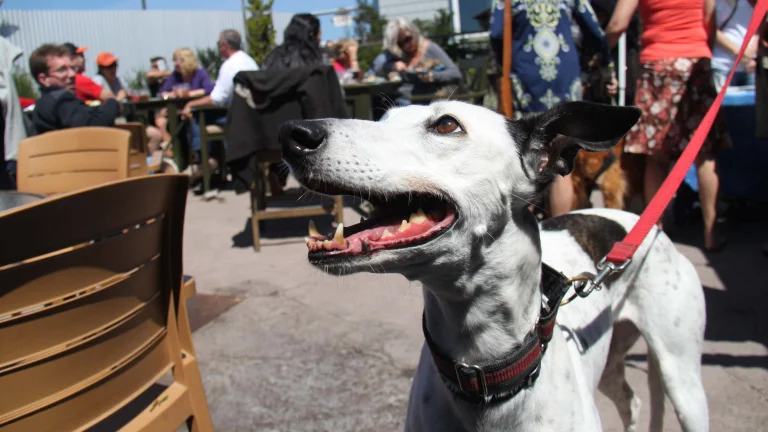
And yes, you’ll still find plenty of goofy, tail-wagging, ready-for-the-beach pups waiting to go home.
The foster-powered underdogs
While large shelters anchor the region, many Peninsula rescues operate without a physical facility at all. Instead, they rely on foster homes — everyday people who temporarily open their doors to dogs in transition.
Groups like Furry Friends Rescue, based in the Palo Alto area, have built strong reputations on this model. Dogs live in real homes, not kennels, which means they’re often better socialized and easier to match with adopters.
It also means you get insider intel.
Want to know if a dog snores, steals socks or loves car rides? A foster will tell you. That kind of detail can make all the difference when you’re choosing a new travel companion.
Copper’s Dream Rescue, another Bay Area favorite with Peninsula reach, often works with overcrowded shelters across California, giving dogs a way out of some of the state’s toughest conditions and into a second chance closer to the coast.
Small groups, big impact
Then there are the smaller, volunteer-driven rescues that punch well above their weight.
Organizations like Mutt Luv Rescue operate with limited resources but a lot of hustle, coordinating transports, vet care and adoptions across the region. These groups often step in for dogs that might be overlooked elsewhere — whether that’s due to breed stigma, age or medical needs.
They’re also deeply connected to the local community.
Adoption events pop up at pet stores, parks and weekend markets, turning dog rescue into something social and accessible. You might show up for coffee and leave seriously considering a new best friend.
Why the Peninsula matters
The Peninsula sits in a unique position within California’s rescue ecosystem. While local communities are generally supportive and adoption-focused, many dogs come from other parts of the state where resources are stretched thin.
That means Peninsula rescues often serve as a bridge — connecting dogs in need with homes where they’ll thrive.
For adopters, it’s a chance to make an impact beyond your immediate zip code.
What to expect when adopting
Adopting from a Peninsula rescue isn’t a one-size-fits-all experience — and that’s a good thing.
Larger organizations may have structured processes, on-site meet-and-greets and access to trainers or veterinary teams. Foster-based rescues tend to be more conversational, with a focus on matching lifestyle and personality.
Either way, expect questions. Good rescues want to make sure it’s a fit — for you and the dog.
And if you’re not ready to adopt? Fostering, volunteering and even just spreading the word are all part of the ecosystem that keeps these organizations running.
The takeaway
Peninsula dog rescues aren’t just finding homes. They’re building a culture — one where adoption is the norm, second chances are expected and every dog has a shot at the good life.
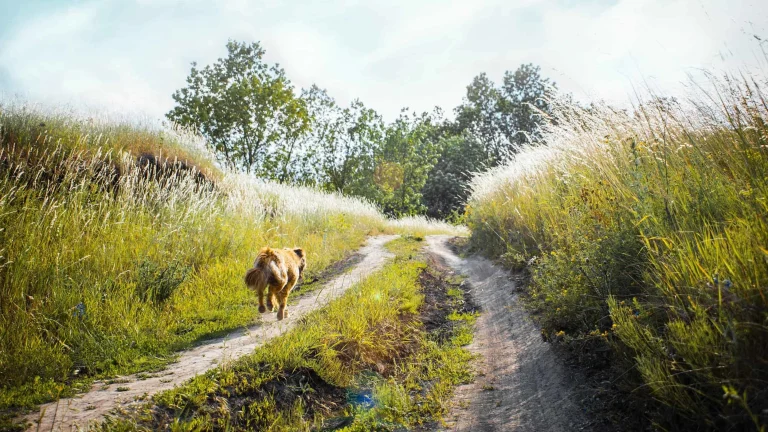
Which, around here, probably includes a coastal trail, a patio brunch stop and a permanent spot in the passenger seat.
Not a bad ending for a dog who needed a fresh start.