So you want to go camping this summer but it’s May already, and California’s coastal campgrounds, as well as those at Lake Tahoe, have been fully booked months in advance. Time for some strategy. Here are our tips:
* Inquire about the cancellation window at your chosen location (30 days at Yosemite, for example). Ask to be put on a waiting list if there is one, or see if you can program a text or email alert through the reservation service. Otherwise, call that many days in advance of your preferred dates to see if a spot has opened up. If your first call doesn’t work, call again. And again, as cancellations will flow in throughout the day.
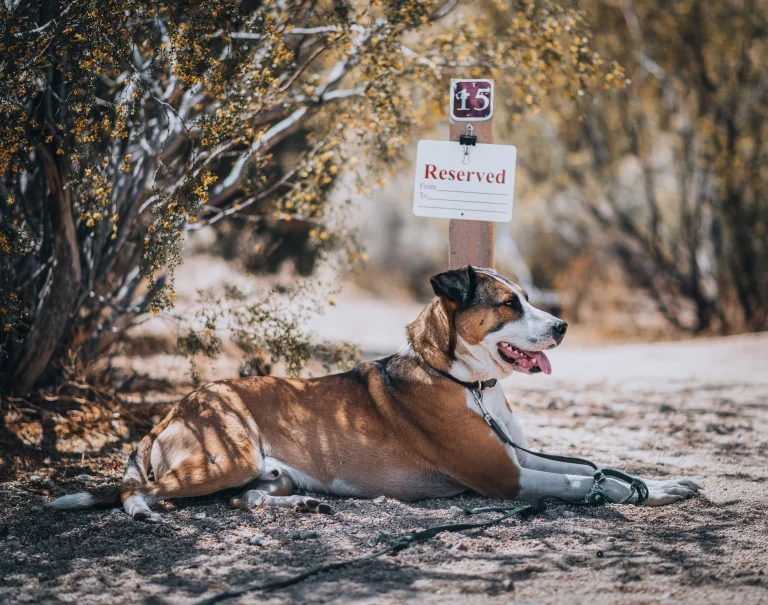
* Find out if your preferred campsite has any “first-come” or “overflow” sites in its inventory (most do). Take a risk by showing up at the gate about an hour before official checkout time, which at most campgrounds is noon. Many campers leave early, and sites are sometimes released early, as well.
* Some popular coastal campgrounds use a lottery system to distribute sites made available through cancellations. If you’re flexible, this can work.
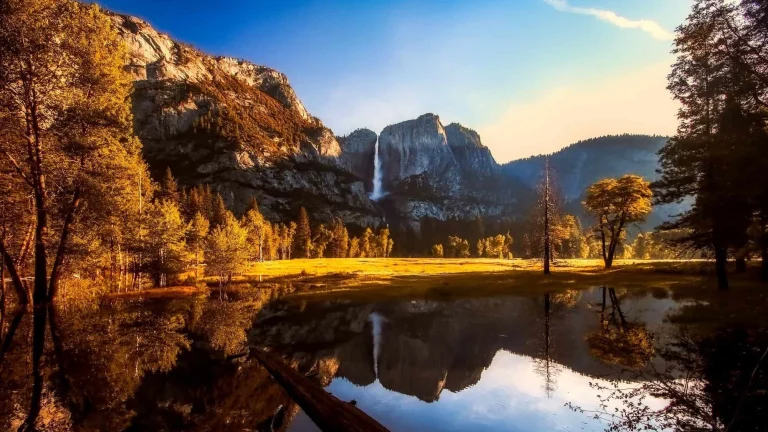
* Check alternative campgrounds in the area you want to visit, including those operated by utility companies and other non-traditional agencies. SMUD, PG&E and various irrigation districts all manage campgrounds in the Sierra that tend to fly under the radar—and they’re often more spacious and dog-friendly than the state park equivalents.
* Choose a campground that operates purely on a first-come basis and arrive on a Wednesday or Thursday if you want to stay over the weekend.
* Go midweek, or wait until after Labor Day. The weeks right after Labor Day are some of the best camping in California—the crowds vanish, temperatures mellow out, and campgrounds that were impossible to book all summer suddenly have openings.
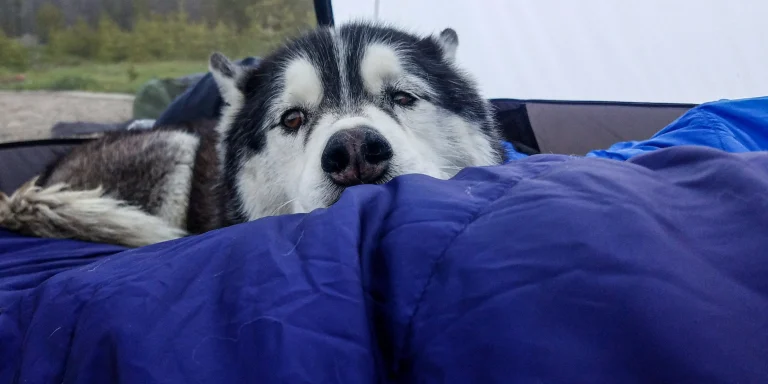
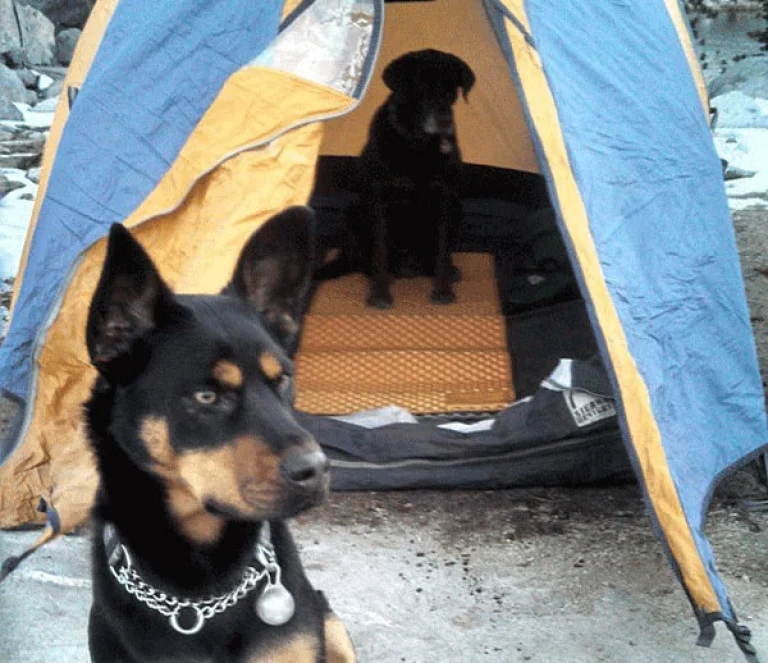
A few more dog-specific tips: when you do score a campsite, pick one away from the main road or trail if possible. Less foot traffic means fewer distractions for your pup and fewer chances for barking at passersby. Bring a long lead or tie-out cable so your dog can relax at camp without being tethered to a 6-foot leash the whole time. And always pack a few extra poop bags—running out is not an option when you’re sharing a campground with dozens of other families.
Finally, remember that many national forest campgrounds are first-come, first-served and don’t appear on the major reservation websites at all. These are often the most relaxed and dog-friendly spots around. Check with the local ranger district for locations near your destination.
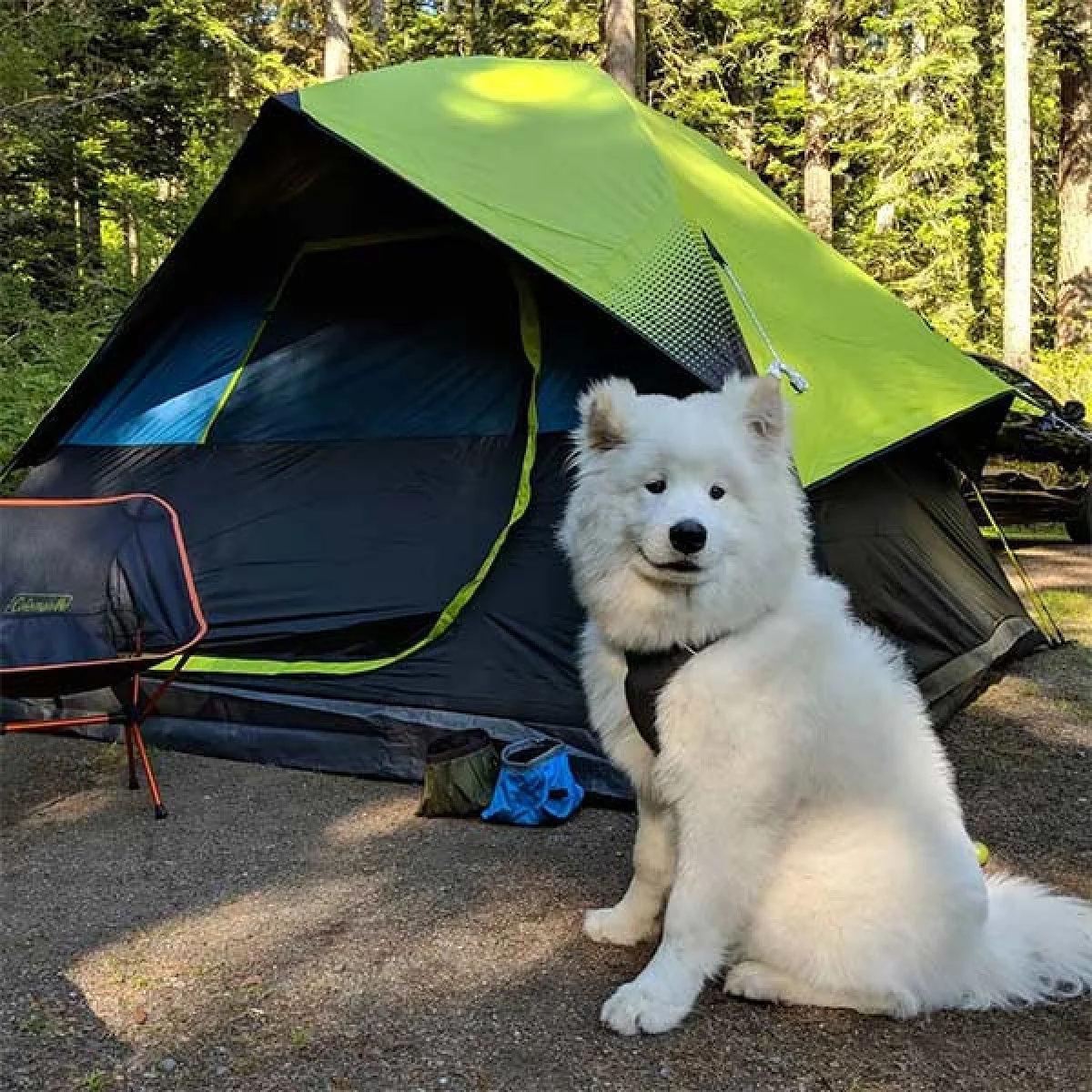
Photo Credit: @moji_thesamoyed